
On January 14, Xuyên Á General Hospital reported that it had admitted a 71-year-old man in critical condition. He was brought in by his family with symptoms including chills, persistent high fever, fatigue, difficulty swallowing, and rapid physical decline.
Initially, the patient was monitored in the hospital’s Department of Gastroenterology, Hepatology and Pancreatology. However, within just a few hours, his clinical condition worsened dramatically and in an unusual manner. He began experiencing episodes of agitation, restlessness, and whole-body tremors lasting about 30 seconds each.
Soon after, he developed classic signs of rabies: fear of wind, fear of water, fear of cold, increasing throat spasms, and involuntary clawing movements.
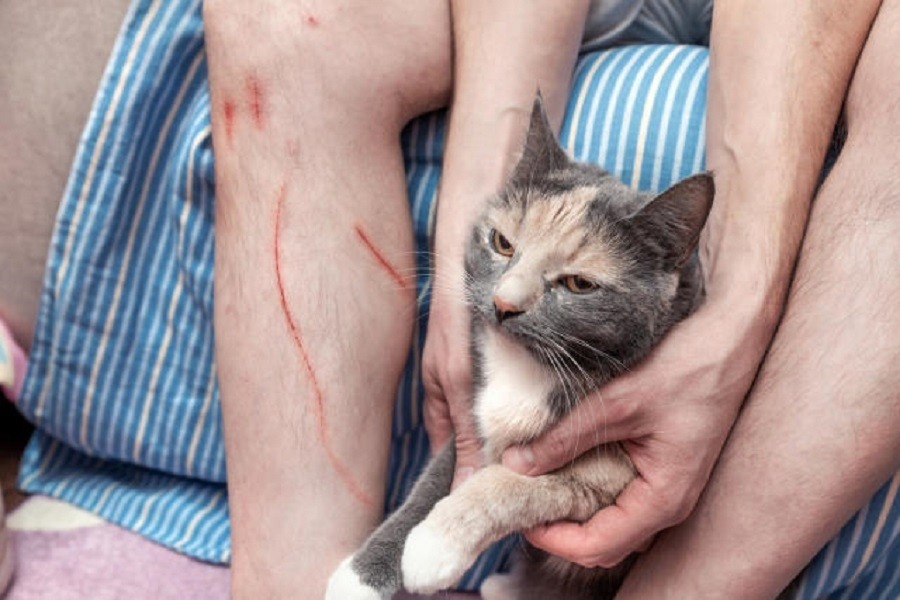
According to his family, three months prior to hospitalization, the man had been scratched by a cat but did not seek rabies vaccination at the time.

Rapid Deterioration After Symptoms Appear
Given the alarming progression, doctors immediately suspected rabies. The patient was diagnosed with suspected rabies and urgently transferred to the Ho Chi Minh City Hospital for Tropical Diseases for specialized treatment.
Unfortunately, once clinical symptoms of rabies appear, the disease is almost always fatal. Despite medical efforts, the patient did not survive.
Dr. Nguyễn Ngọc Chín, Head of the Department of Gastroenterology, Hepatology and Pancreatology at Xuyên Á General Hospital, emphasized that rabies currently has no specific curative treatment. Once symptoms manifest, the mortality rate is nearly 100%, regardless of the level of medical care.
Prevention remains the only effective protection.
Rabies Risk from Cat Scratches and Dog Bites
Many people mistakenly believe that only dog bites pose a rabies risk. However, scratches from cats — even small wounds that do not bleed — can also transmit the virus if the animal is infected.
To prevent rabies transmission, doctors strongly recommend:
-
Vaccinating pet dogs and cats fully and on schedule
-
Avoiding contact with unfamiliar or unusually behaving animals
-
Taking all bites and scratches seriously

What to Do Immediately After a Bite or Scratch
Medical professionals stress that immediate first aid is critical.
If bitten or scratched by a dog or cat:
-
Wash the wound thoroughly under running water with soap for an extended period (at least 15 minutes if possible).
-
Disinfect the wound with an appropriate antiseptic solution.
-
Seek medical care immediately for evaluation and post-exposure rabies vaccination — ideally within 24 hours.
Timely vaccination can prevent the virus from developing into disease.
Doctors also warn against relying on folk remedies such as applying herbal leaves, taking traditional medicine, or simply monitoring symptoms at home. These methods do not prevent rabies and may waste the “golden window” for vaccination, significantly increasing the risk of death.

A Preventable Tragedy
Rabies is a deadly infectious disease — but it is entirely preventable with proper vaccination and prompt treatment after exposure.
This case serves as a sobering reminder: no animal bite or scratch should be ignored. Acting quickly can mean the difference between life and death.
Vaccinate pets. Treat wounds immediately. Seek medical advice without delay.
Prevention is the only cure.






Leave a Reply