
In 2020, RSPCA South Australia received alarming reports about a property where dozens of animals were allegedly living in neglect. Investigators quickly went to the scene — and what they discovered inside was overwhelming.
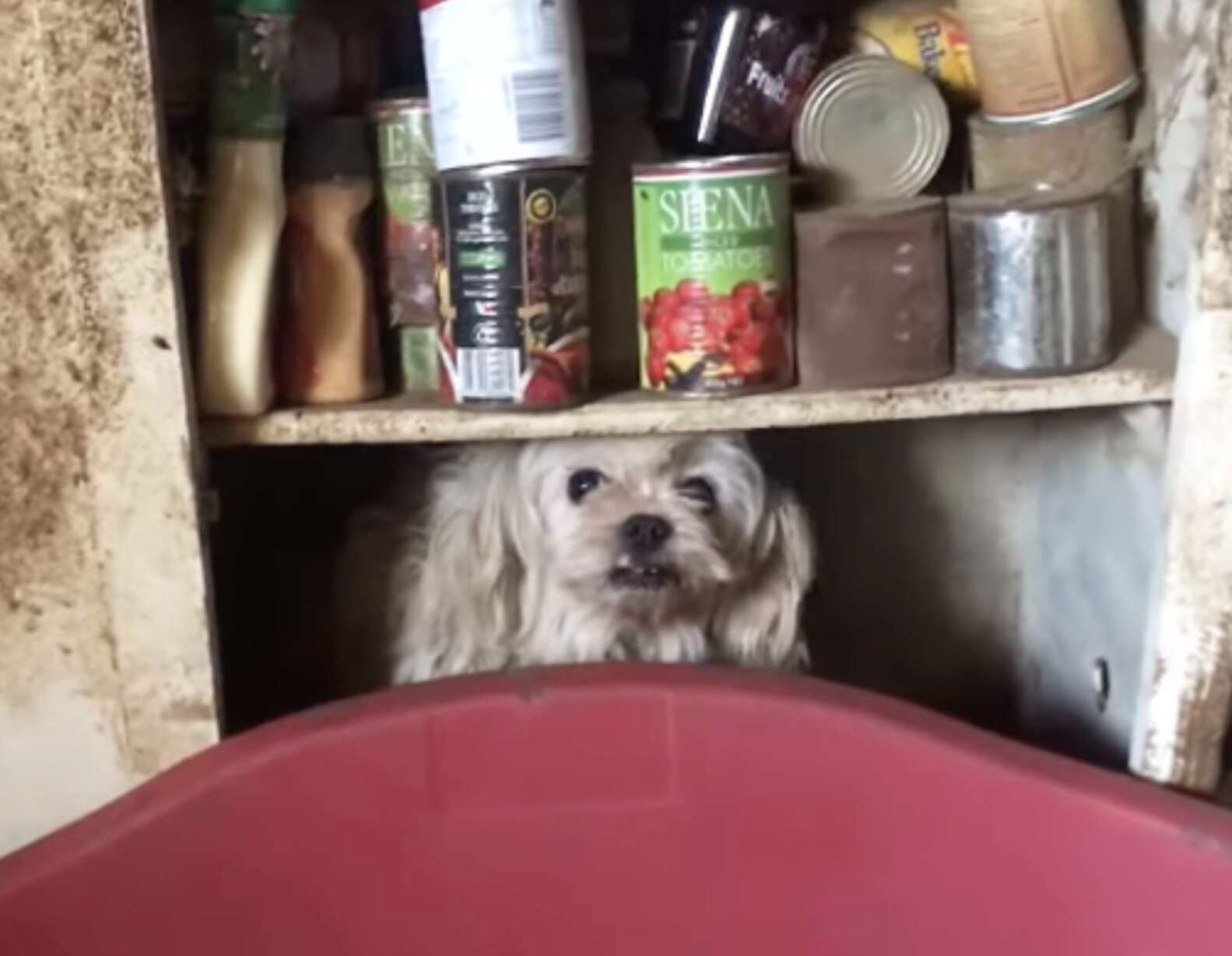
The house was in severe disrepair. Dirt coated the walls and benchtops. Thick cobwebs hung from the ceilings. Cages and crates were stacked tightly in the entryway, many holding cats and dogs. In the kitchen, frightened puppies hid in cupboards and crouched on shelves.
As rescuers moved through the home, the scale of the situation became clear. It wasn’t just dogs and cats. Birds were scattered throughout the property. Sheep were present. On the back patio, a group of 11 kangaroos had been confined in cramped conditions.

Over 100 Animals in Need
That first day, the team removed 80 animals from the house — including 65 dogs, 11 cats and kittens, a possum and a magpie. Each animal required veterinary attention, and many needed significant treatment and rehabilitation.
Rescuers later returned for the remaining animals, determined not to leave anyone behind. In total, 111 animals were seized from the property. Of those, 90 were eventually rehomed, while 16 — primarily native wildlife and birds — were transferred to specialized rescue organizations. The kangaroos were relocated to more appropriate environments suited to their needs.

A Long Road to Recovery
Nearly every animal required medical care. Some needed extensive rehabilitation after living in such conditions. Despite the challenges, the outcome was remarkable: the majority of the animals went on to find safe, loving homes.
Because of ongoing court proceedings, details of the case could not be publicly shared until 2024, after the trial concluded. Once finalized, RSPCA South Australia released more information about the rescue and the enormous effort involved in caring for so many animals at once.
Five Years Later
Today, those dogs, cats, birds and kangaroos are living healthier lives — a testament to the persistence and dedication of rescuers who refused to walk away.
What began as a heartbreaking discovery inside a dilapidated house became a powerful reminder of the impact of intervention, veterinary care and second chances.
The rescue of more than 100 animals from a dilapidated home in South Australia was not just a large-scale intervention — it was a powerful example of how coordinated action and persistence can transform lives. When RSPCA South Australia investigators entered the property in 2020, they were met with a scene of overwhelming neglect that would take months — even years — to fully resolve.
Inside the house, animals were living in cramped, unsanitary conditions. Cages were stacked on top of one another in tight hallways. Dust and debris coated surfaces. Heavy cobwebs hung from the ceilings. Puppies hid in cupboards and perched nervously on kitchen shelves. Cats crouched inside overcrowded crates. The environment was chaotic, restrictive and clearly unsuitable for so many living beings.

What made the situation even more shocking was the diversity of species present. Beyond dogs and cats, rescuers found birds, sheep, a possum and 11 kangaroos confined to the back patio. Kangaroos, as native wildlife, require specialized care and ample space to move freely. Keeping them in such restrictive surroundings posed serious risks to their physical and psychological well-being.
On the first day alone, 80 animals were removed from the property, including 65 dogs and 11 cats and kittens. Each one required veterinary assessment. Many suffered from malnutrition, untreated infections, parasite infestations and stress-related conditions. Some needed significant medical treatment and extended rehabilitation before they were stable enough to be considered for adoption.
But physical healing was only part of the journey. Animals rescued from hoarding or neglect cases often experience behavioral challenges. Fear, anxiety and lack of socialization can make the transition to a normal home environment difficult. Volunteers and foster carers worked patiently to rebuild trust. They introduced routine, gentle handling and enrichment activities to help the animals regain confidence.
Rescuers later returned to the property to remove the remaining animals, ensuring none were left behind. In total, 111 animals were seized. Of those, 90 were successfully rehomed, while 16 — primarily native wildlife and birds — were transferred to specialized rescue organizations better equipped to meet their needs. The kangaroos were relocated to facilities that could provide appropriate outdoor environments and species-specific care.
Because of ongoing legal proceedings, details about the case could not be publicly disclosed until 2024, when the trial concluded. Once finalized, the organization shared more information about the operation, highlighting both the complexity of the rescue and the remarkable outcome achieved through collaboration and dedication.
Nearly every animal required some degree of veterinary treatment. In some cases, recovery took months. The financial cost, logistical coordination and emotional toll on staff were significant. Yet the results speak volumes. Today, most of the rescued animals are living in safe, stable homes where they receive proper nutrition, medical care and affection.
Five years later, the contrast is profound. Dogs once confined to cages now run freely in backyards. Cats who once hid in fear now curl up comfortably beside their adopters. The kangaroos live in environments suited to their natural behaviors. What began as a “house of horrors” ultimately became a story of resilience and renewal.
This case also underscores a broader issue: animal neglect can escalate quietly and remain hidden behind closed doors. Community reporting played a crucial role in bringing this situation to light. Without that initial concern, many of these animals might have continued to suffer unseen.
In the end, the rescue stands as a testament to what is possible when compassion is paired with action. It shows that even in extreme cases of neglect, recovery and rehoming are achievable outcomes. Most importantly, it demonstrates that every animal — no matter how dire the circumstances — deserves the chance to live a safe and dignified life.

Leave a Reply