
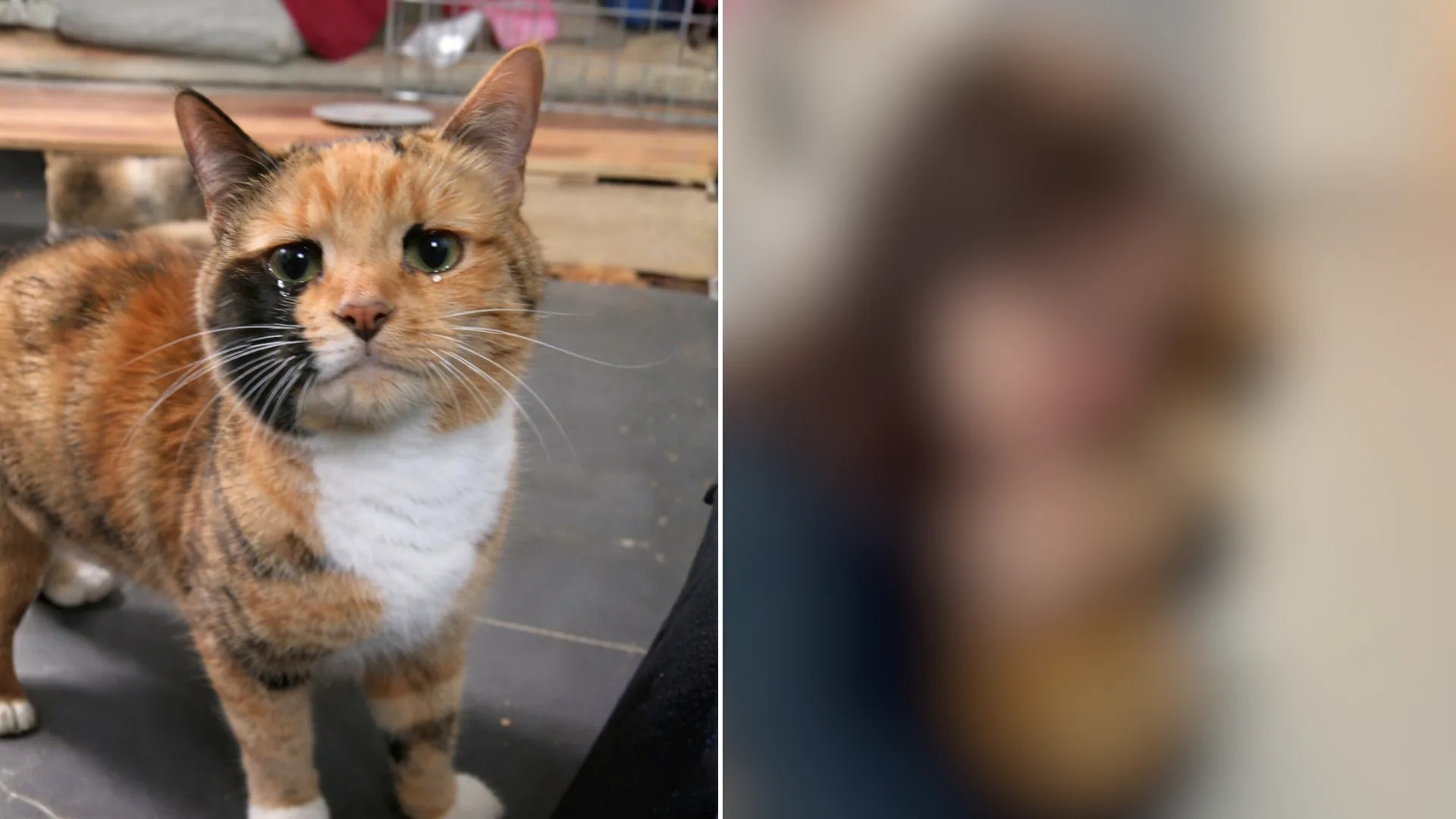
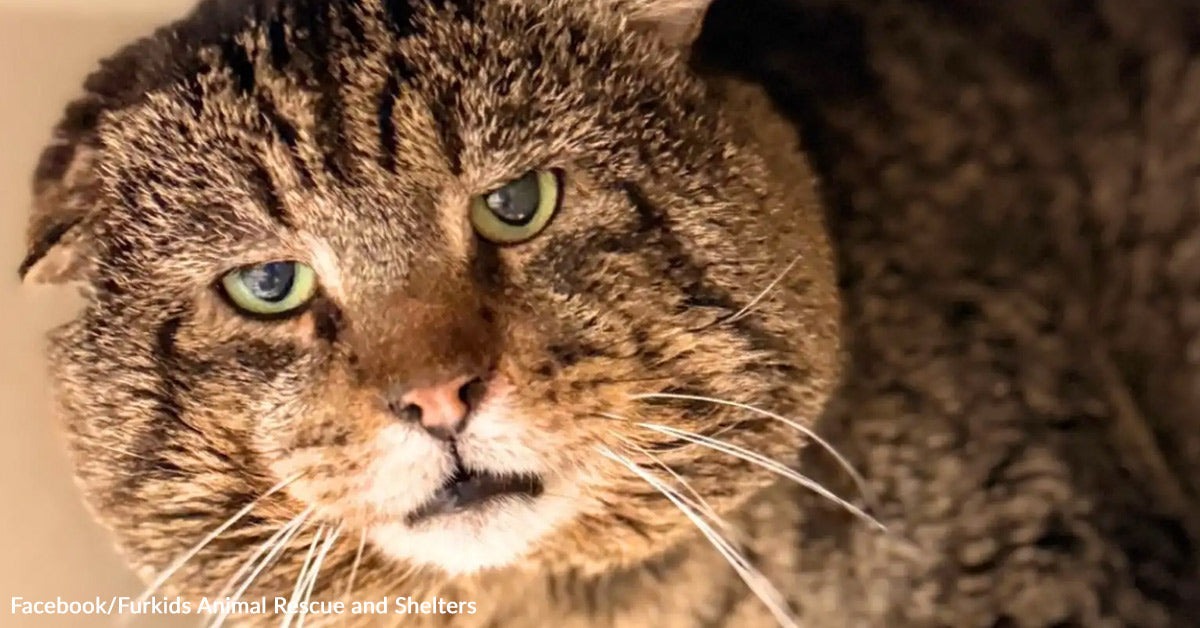
On a quiet Alberta morning, a woman noticed a tired-looking cat moving slowly along the sidewalk. The cat’s fur was dull, her frame thin, and her steps cautious. To anyone passing by, she seemed like another stray trying to survive another day outdoors.
The woman did what many animal lovers would do. She gently coaxed the cat into a carrier and brought her to SAVE in Okotoks, Alberta.
At first, nothing about the intake seemed unusual. But a routine microchip scan would soon uncover a truth that no one at the shelter expected.
A Routine Shelter Visit That Was Anything But Routine
Animal shelters frequently receive lost or abandoned pets. The process is familiar. Staff assess the animal’s health, provide food and water, and scan for a microchip.
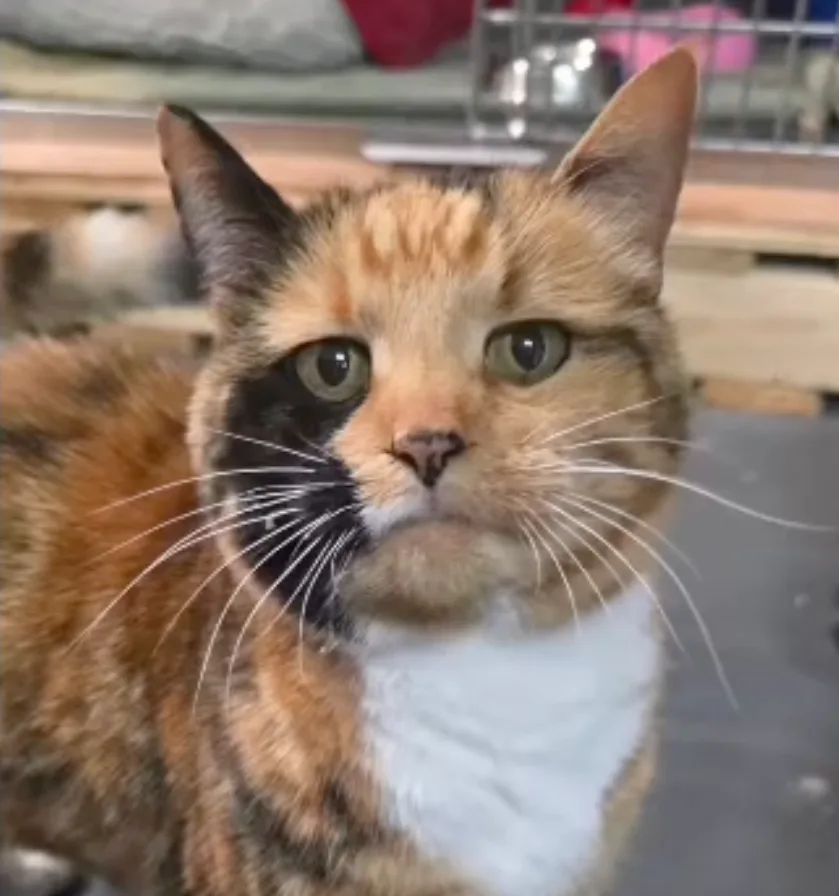
When the team at SAVE scanned the cat, they did detect a microchip. That was promising. However, the chip’s registration information was not updated in a public database, which often makes it difficult to locate an owner.
In many cases, that is where the trail ends.
But this time, a staff member decided to dig deeper.
The microchip number was traced back to the Calgary Humane Society, which still had older records connected to it. What they discovered changed everything.
The cat’s name was Katherine.
And she had been missing for eight years.
Missing For Nearly A Decade
Eight years is a long time in anyone’s life, especially in the life of a pet. Most families who lose an animal search tirelessly at first. They post flyers, contact neighbors, check shelters, and monitor local listings. But as months turn into years, hope can slowly fade.
Katherine’s family had gone through that painful process. When she disappeared, they had recently adopted two kittens. According to shelter staff, Katherine had begun spending more time outdoors before she vanished one day without warning.
Her family searched extensively. They contacted local shelters and looked for any sign of her. But there were no confirmed sightings.
Eventually, they had to accept the possibility that she would not return.
Meanwhile, Katherine had been surviving on her own.
How Do Cats Survive Outdoors For So Long?
While domestic cats are accustomed to indoor living, many retain strong survival instincts. Felines are skilled hunters and are often able to find food sources, whether through small prey or occasional assistance from kind strangers.
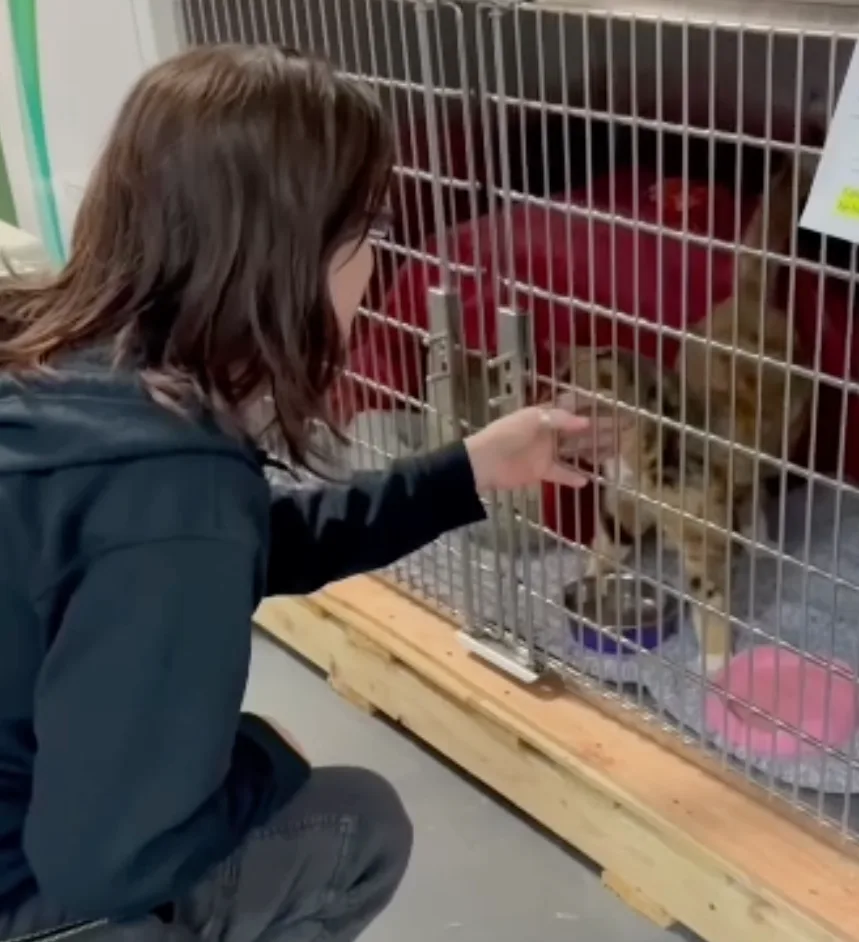
Shelter staff believe Katherine likely relied on those instincts over the years. When she arrived at SAVE, she was underweight and clearly hungry. However, she was not aggressive or fearful. Instead, she was calm and even affectionate with staff members.
Her resilience surprised many at the shelter.
Long-term outdoor survival can be challenging for any pet. Cats may face harsh weather conditions, limited food supplies, and constant stress. Yet some manage to adapt remarkably well.
Katherine appeared to be one of them.
The Emotional Reunion
Once SAVE confirmed Katherine’s identity, they reached out to her original owner. The response was immediate.
After eight years of uncertainty, Katherine’s owner traveled to the shelter, unsure what to expect. Would the cat remember her? Would the bond still be there after nearly a decade?
According to shelter staff, the answer became clear within seconds.
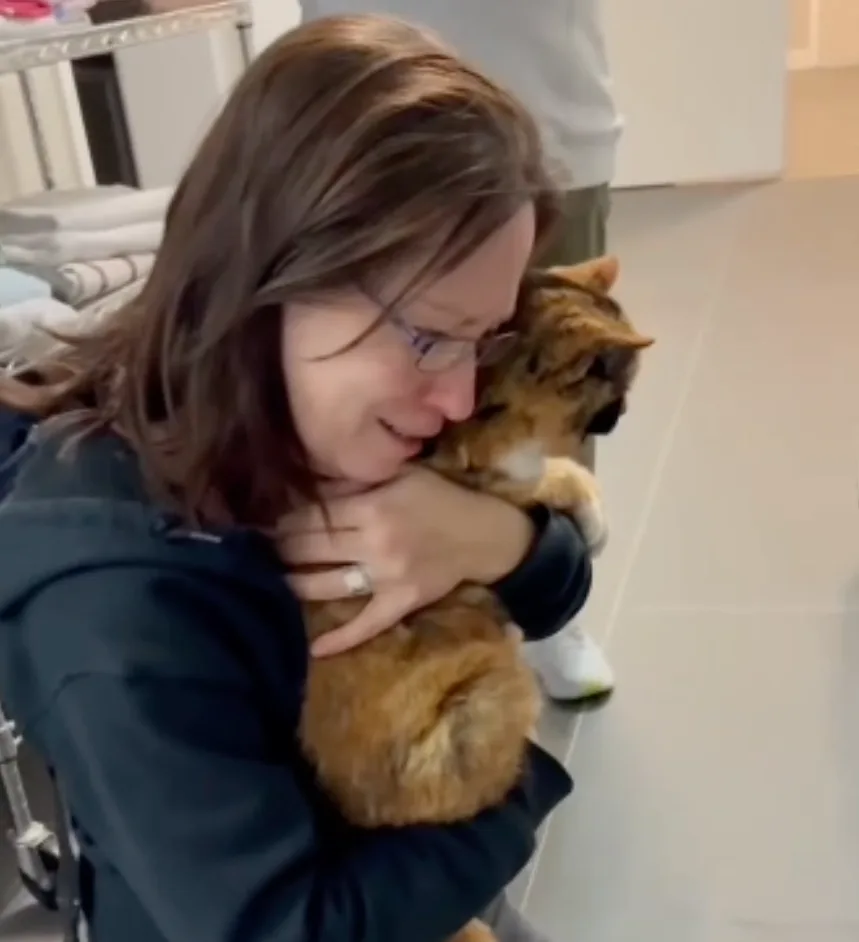
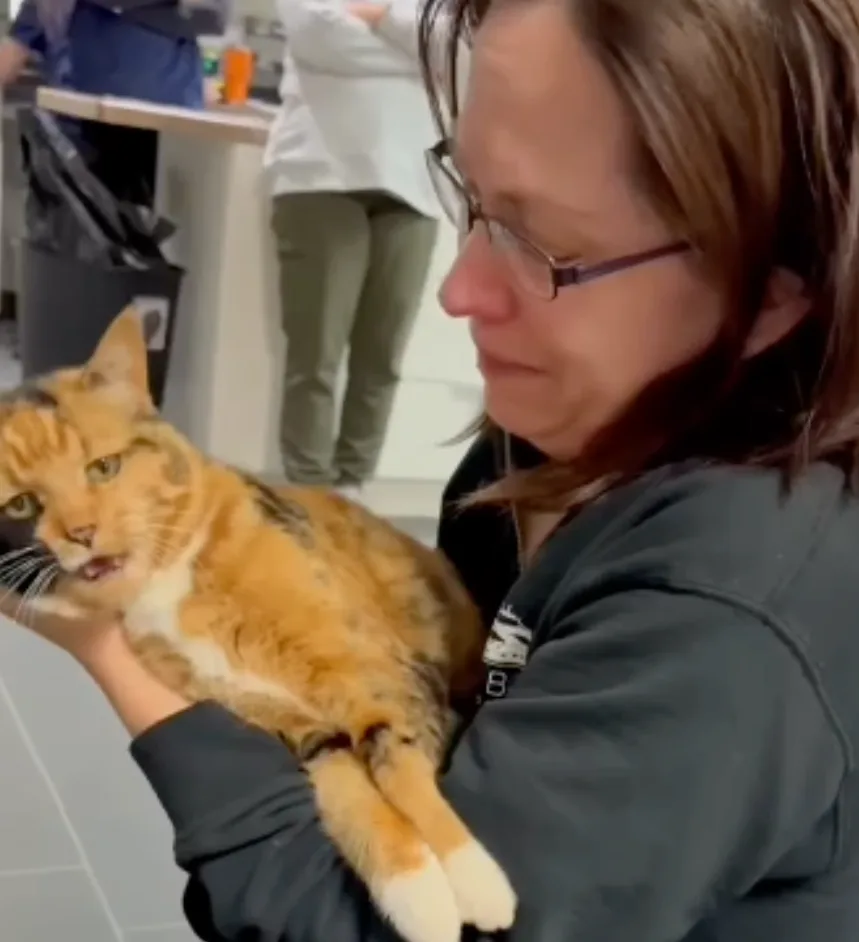
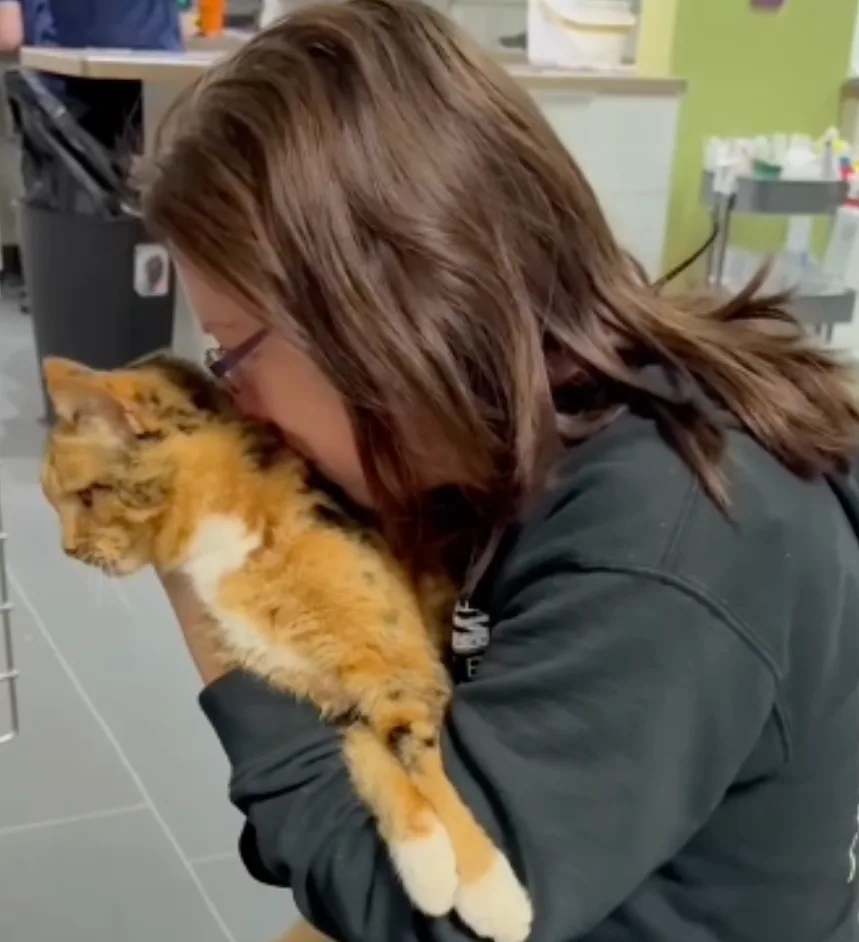
As soon as Katherine heard her owner’s voice, she began meowing loudly. When the door opened, she walked directly toward her and climbed into her arms. She pressed her face against her owner and began purring deeply.
Recognition seemed instant.
There were few dry eyes in the room.
For the staff at SAVE, moments like this are rare but unforgettable. A pet once believed gone forever was suddenly back where she belonged.
The Power Of Microchipping Pets
Katherine’s story highlights an essential lesson for pet owners everywhere: microchips matter.
A microchip is a small device implanted under a pet’s skin that contains a unique identification number. When scanned by a shelter or veterinary clinic, that number can be linked to an owner’s contact information in a database.
However, the system only works if the registration details are accurate and up to date.
In Katherine’s case, the chip was not registered in an easily accessible public database. It required additional investigation and archived records from the Calgary Humane Society to trace her history.
Without that extra effort, she might have been treated as an unidentified stray and adopted into a different home.
Microchipping significantly increases the chances of lost pets being reunited with their families. Veterinary professionals and animal welfare organizations consistently recommend both microchipping and keeping contact details current.
Why Pet Reunions Capture Our Hearts
Stories like Katherine’s resonate deeply because they speak to something universal: connection.
Pets are not just animals. They are companions, confidants, and members of the family. The bond between humans and animals is supported by both emotional experience and scientific research. Studies show that interacting with pets can reduce stress, encourage routine, and strengthen feelings of belonging.
When that bond is interrupted by disappearance, the uncertainty can be painful. Not knowing what happened leaves a lingering question mark.
A reunion after years apart feels almost like a second chance.
It reminds us that hope, even when quiet, can still exist.
The Role Of Animal Shelters In Reuniting Families
Organizations like SAVE and the Calgary Humane Society play a crucial role in these outcomes. Beyond providing food and medical care, shelters act as connectors between lost pets and searching families.
Their procedures, including scanning for microchips and maintaining historical records, create opportunities for reunions that might otherwise be impossible.
In Katherine’s case, staff went beyond the standard process. Their persistence made all the difference.
Animal shelters across North America encourage community members to bring found pets to a local facility rather than assuming they are strays. A simple scan can reveal a hidden history.
Lessons From Katherine’s Journey
Katherine is now back home, settling into familiar surroundings after years of independence. Her story has spread widely online, inspiring messages of relief and joy.
For many readers, the takeaway is clear.
If you have a pet, consider microchipping if you have not already. If your pet is chipped, verify that your phone number and address are current in the registration database.
It takes only a few minutes to confirm, yet it can make an enormous difference.
Katherine’s journey also reminds us not to underestimate animals’ resilience. Despite spending years outdoors, she retained her affectionate nature and recognized her family immediately.
A Reflection On Hope And Human Curiosity
How did Katherine survive for eight years? Where did she shelter during harsh winters? Who might have offered small kindnesses along the way?
We may never know the full details of her journey.
But perhaps that mystery is part of what draws us in. Humans are naturally curious. We want to understand how animals think, feel, and navigate the world. We are fascinated by stories that blur the line between the ordinary and the extraordinary.
Sometimes, a routine moment at a shelter becomes something unforgettable.
A simple scan of a microchip can reopen a chapter long thought closed.
And sometimes, after years of silence, a familiar voice is all it takes to guide someone home.

Leave a Reply