
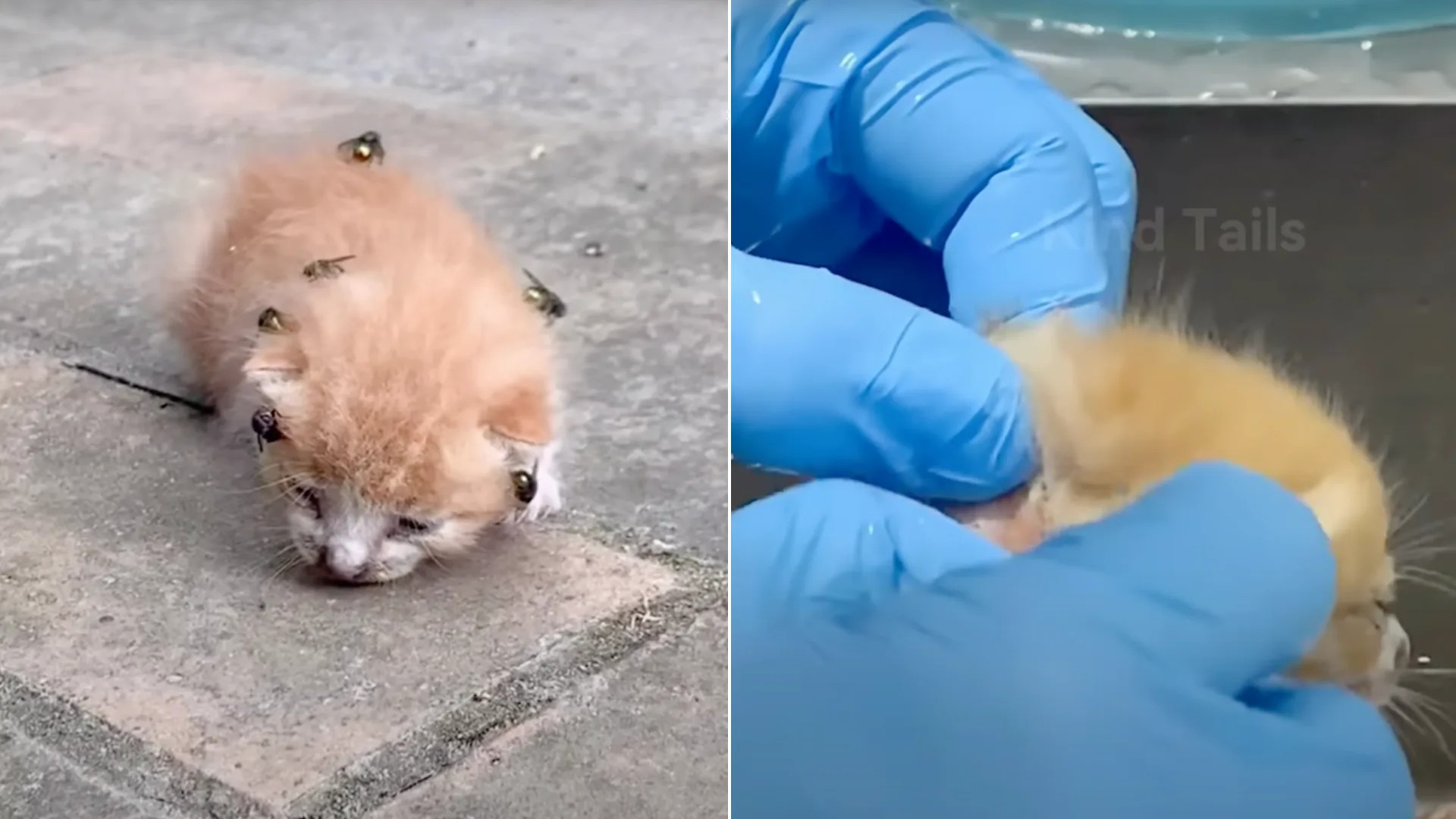
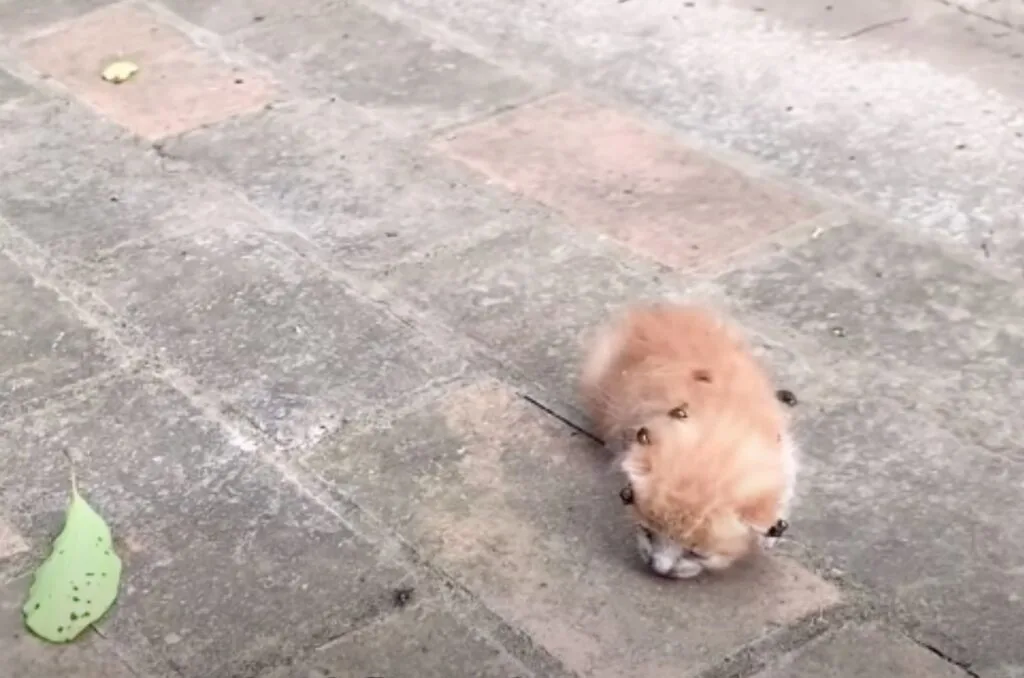
On a quiet afternoon, a faint sound drifted across a small neighborhood. It was not loud enough to demand attention, yet it carried urgency. A family paused, listening carefully. The soft cry led them toward the roadside, where they found a newborn kitten trembling and alone. His eyes were still closed, his body fragile, and flies hovered nearby.
What followed was not only a rescue but a journey that reflects something timeless about the bond between humans and animals. This is the story of Xiao Ju, also known as “Little Orange,” a kitten whose early struggle highlights both the science of neonatal kitten care and the cultural symbolism that cats have carried for centuries.

The Rescue That Began With a Sound
The kitten was estimated to be just five to seven days old. At that stage of life, kittens are entirely dependent on maternal care. They cannot regulate their body temperature, feed independently, or even relieve themselves without stimulation. According to guidance from the American Society for the Prevention of Cruelty to Animals, neonatal kittens require warmth, regular feeding, and close monitoring to survive.
Recognizing the urgency, the family gently placed the kitten in a box and rushed him to a nearby veterinary clinic. The medical team quickly assessed his condition. He was covered in insect eggs and fleas, and his small body was chilled and weak.
The veterinarians faced a delicate balance. Removing the debris was essential, yet prolonged exposure to water could lower his body temperature even further. After careful consideration, they chose to give him a controlled bath. Over the course of two hours, the team cleaned him thoroughly and then dried him gently, ensuring he stayed warm.
This careful response reflects best practices in veterinary medicine. Neonatal animals are highly sensitive to environmental changes, and even routine procedures require specialized handling.
Understanding Neonatal Kitten Care
To appreciate Xiao Ju’s recovery, it helps to understand the science behind early kitten development. In the first two weeks of life, kittens rely entirely on external warmth. Their immune systems are immature, and they depend on maternal antibodies passed through milk.
When kittens are orphaned, caretakers must replicate this support. Feeding typically occurs every two to three hours using a kitten milk replacer. Temperature control is equally critical. The American Veterinary Medical Association emphasizes that neonatal animals must be kept in a stable, warm environment to prevent complications related to hypothermia.
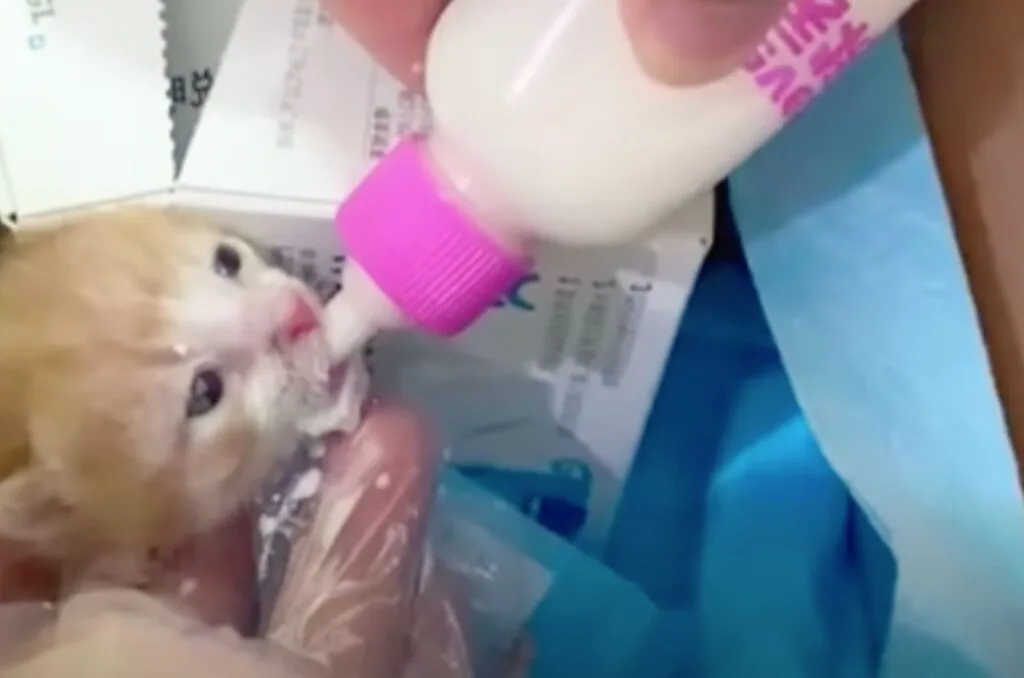
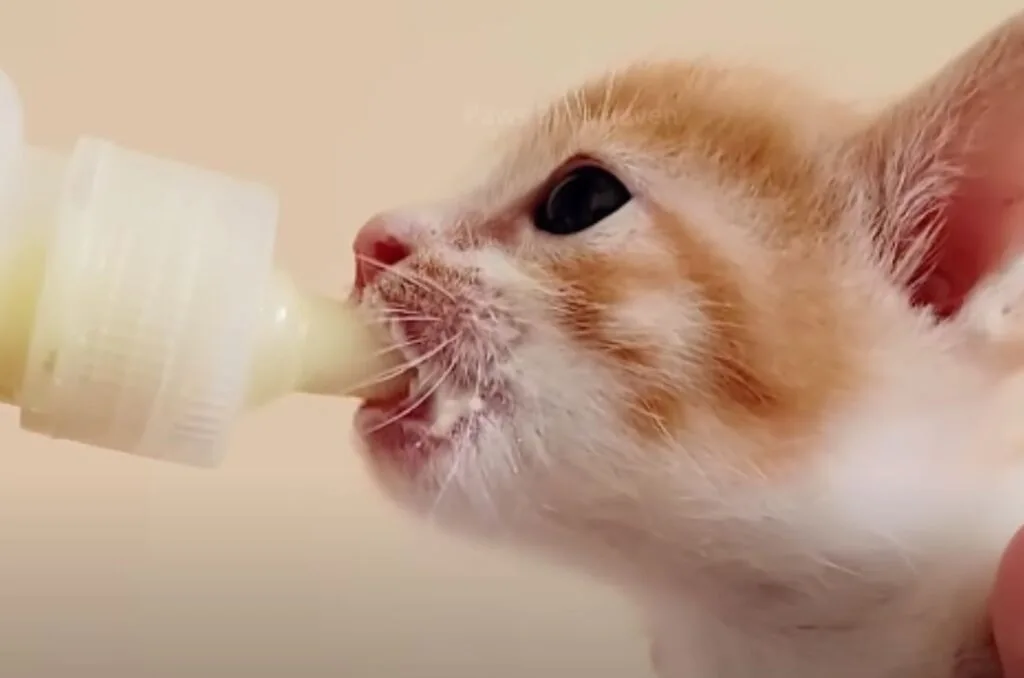
In Xiao Ju’s case, the hospital could not provide overnight feeding. The family took him home with formula and instructions. They prepared goat milk powder as advised and fed him carefully, wrapping him in a towel to conserve warmth.
Stimulation for urination and bowel movements was another essential step. Young kittens cannot perform these functions independently, so caregivers use soft materials to gently assist them after each feeding. While this process may seem technical, it mirrors what a mother cat would naturally do.
A Diagnosis That Required Ongoing Care
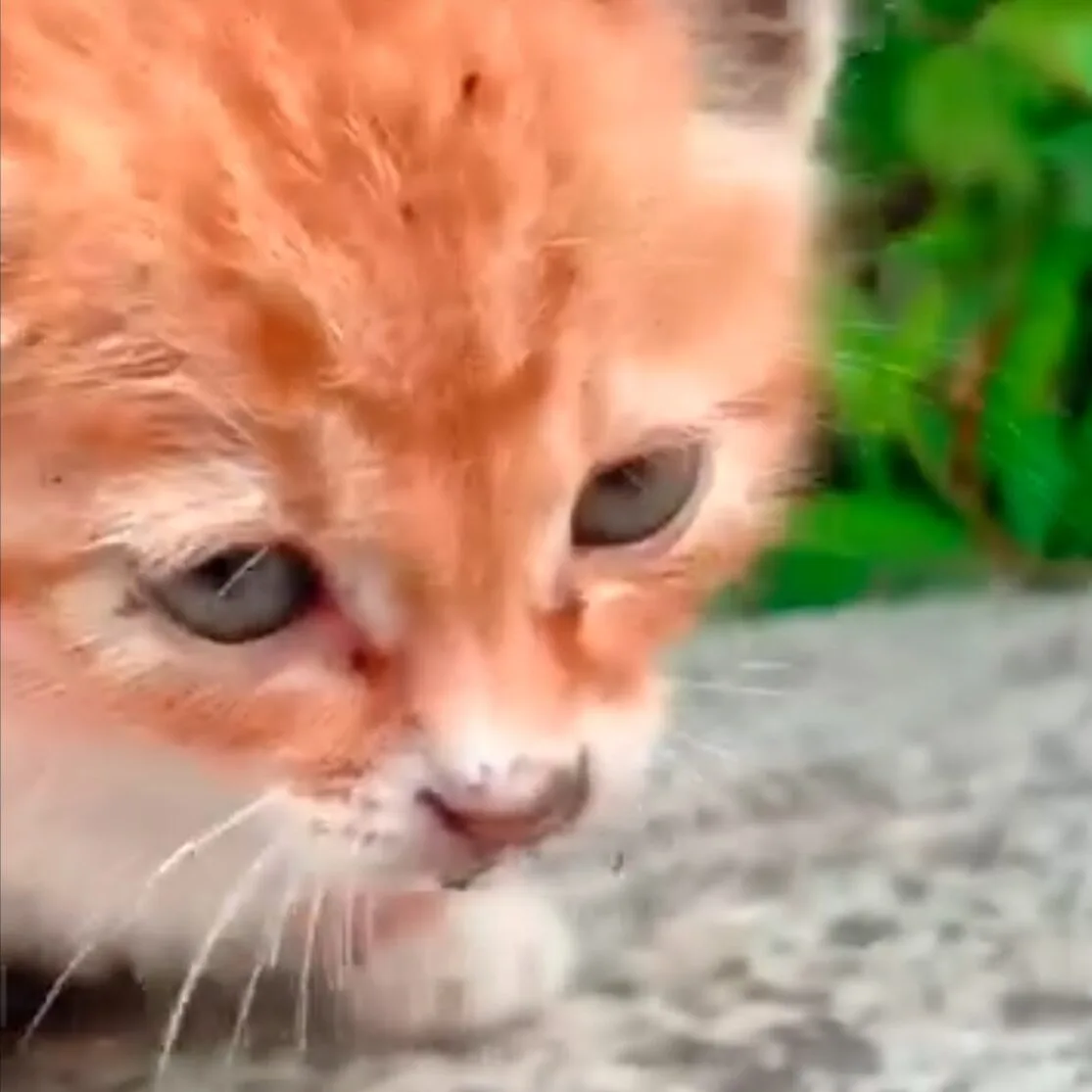
As Xiao Ju gained strength, veterinary examinations revealed that he carried feline herpesvirus and feline coronavirus. These diagnoses can sound alarming, but in many cases, such conditions are manageable with proper care and monitoring.
Feline herpesvirus is relatively common and often associated with upper respiratory symptoms. According to the Cornell Feline Health Center, many cats live full, healthy lives with appropriate management. Feline coronavirus is also widespread among cats, and only in rare circumstances does it lead to more serious complications.
In Xiao Ju’s situation, there were no dramatic developments. His caregivers maintained hygiene, ensured regular veterinary visits, and provided a stress free environment. Gradually, his appetite improved, his eyes cleared, and his energy returned.
Cultural Significance of Cats Through History
While Xiao Ju’s story is grounded in modern veterinary science, it also echoes the long history of cats in human culture. For thousands of years, cats have occupied a special place in societies around the world.
In ancient Egypt, cats were associated with protection and grace. The goddess Bastet was often depicted as a lioness or domestic cat, symbolizing nurturing and home life. Archaeological findings suggest that cats were cherished companions and even honored in ceremonial contexts.
In East Asian folklore, cats are sometimes seen as symbols of good fortune and resilience. The popular Maneki Neko figurine, often displayed in homes and businesses, represents prosperity and positive energy. Though these traditions are symbolic, they reflect the enduring fascination humans have with feline independence and adaptability.
Stories like Xiao Ju’s resonate deeply because they align with these cultural narratives. A tiny kitten overcoming adversity can feel almost mythic, yet the explanation lies in attentive care and biological resilience rather than mystery.
The Psychology of Rescue and Human Compassion
Why do stories of rescued animals capture so much attention? Psychologists suggest that humans are wired to respond to vulnerability. The small size, large eyes, and soft features of kittens activate caregiving instincts. This response is sometimes described in research as the “baby schema” effect, a concept first explored by ethologist Konrad Lorenz.
In practical terms, this instinct motivates people to act. A faint meow becomes impossible to ignore. Compassion leads to intervention, and intervention leads to recovery.
The rescue community often emphasizes that early action is crucial. Organizations like the Best Friends Animal Society promote awareness about neonatal kitten care and responsible fostering. Education empowers ordinary individuals to make informed decisions when encountering vulnerable animals.
The Gradual Transformation
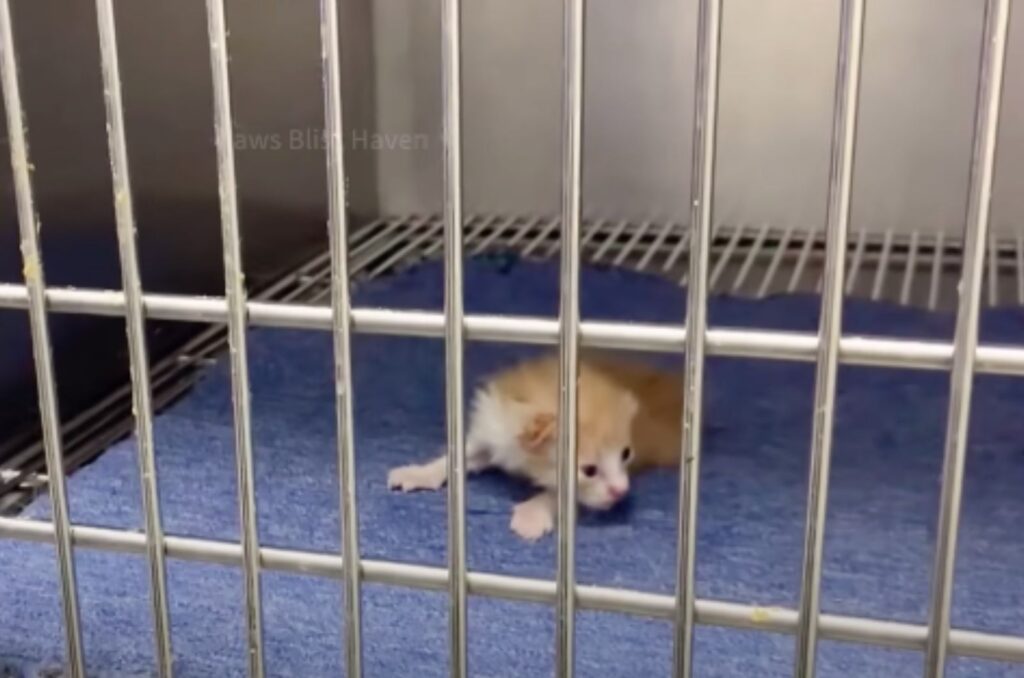
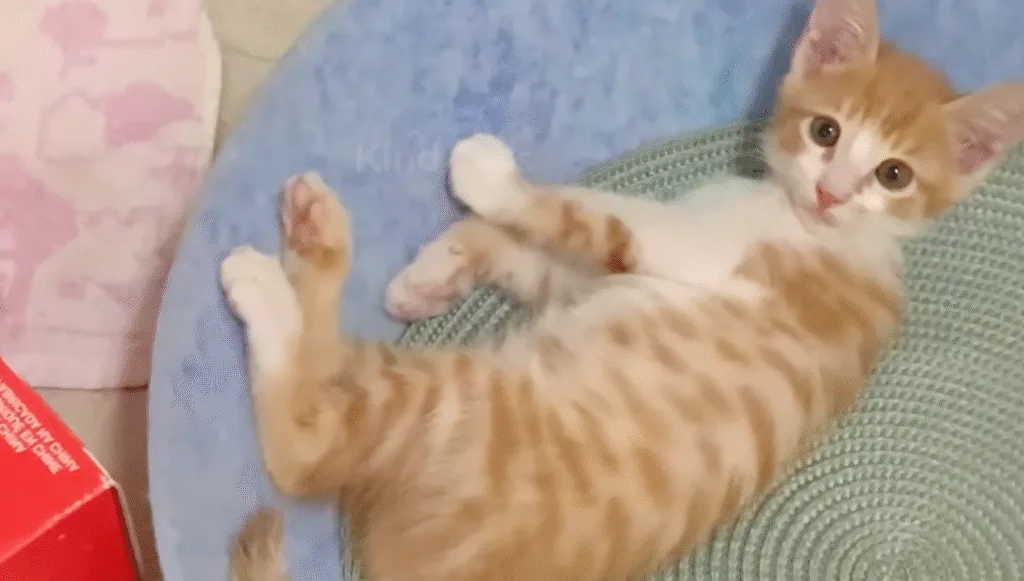
Weeks passed, and Xiao Ju’s transformation became visible. His coat grew soft and shiny. His once fragile frame filled out with healthy weight. He began teething, exploring, and eventually learning to use a litter box.
Integration with other household cats required patience. At first, he was kept separate to reduce stress and protect his developing immune system. Gradually, supervised interactions allowed trust to form. Before long, he was playing, climbing, and sharing space comfortably.
The change was not sudden or dramatic. It unfolded through consistent routines. Regular feedings, clean bedding, sunlight exposure, and veterinary checkups built the foundation for recovery.
His story illustrates an important truth about animal care. Progress is often incremental. Each small improvement compounds over time.
Myth Versus Science: Interpreting Extraordinary Recoveries
When a fragile animal thrives against the odds, it can feel extraordinary. Some may describe such stories as miraculous. However, veterinary science provides clear explanations for many of these outcomes.
Kittens possess a remarkable capacity for growth when given proper nutrition and warmth. Their cells divide rapidly, tissues repair efficiently, and immune systems strengthen with support. While not every case ends positively, early intervention dramatically improves the likelihood of survival.
Framing these stories responsibly is important. Rather than attributing recovery to mystery, it is more accurate to recognize the combination of timely action, medical expertise, and consistent caregiving.
At the same time, cultural storytelling adds emotional depth. Humans have always used narrative to make sense of resilience. A kitten overcoming hardship becomes a symbol of hope, reminding communities of their shared capacity for kindness.
Responsible Pet Care and Prevention
Xiao Ju’s early challenges also highlight the importance of preventive measures. Spaying and neutering reduce the number of stray and abandoned kittens. Community awareness programs encourage responsible pet ownership and prompt veterinary care.
The Humane Society of the United States advocates for community based solutions that include education and accessible veterinary services. Preventing neglect begins with knowledge and resources.
For individuals who encounter a young kitten in need, experts recommend contacting a veterinarian or local rescue organization immediately. Keeping the kitten warm and minimizing stress are essential first steps. Attempting complex treatments without guidance can unintentionally cause harm.
A Reflection on Curiosity and Care
Today, Xiao Ju is a playful, energetic cat who enjoys companionship and comfort. His early days by the roadside are now part of a distant memory. What remains is a story that invites reflection.
Human curiosity often begins with a simple question. What is that sound? Why is it there? Should someone respond? In Xiao Ju’s case, curiosity led to action, and action led to transformation.
Stories like this endure because they connect science with emotion. Veterinary knowledge explains how recovery happens. Cultural history explains why it matters to us. Together, they reveal something fundamental about the human experience.
We are drawn to small cries in quiet places. We pause, we investigate, and sometimes we intervene. In doing so, we reaffirm a shared understanding that compassion, guided by knowledge, can change the course of a life.
Sources
American Society for the Prevention of Cruelty to Animals. Neonatal Kitten Care Guidelines.
American Veterinary Medical Association. Care of Orphaned Animals.
Cornell Feline Health Center. Feline Herpesvirus and Feline Coronavirus Overview.
Best Friends Animal Society. Kitten Rescue and Foster Care Resources.
Humane Society of the United States. Responsible Pet Ownership and Community Cat Programs.





Leave a Reply