
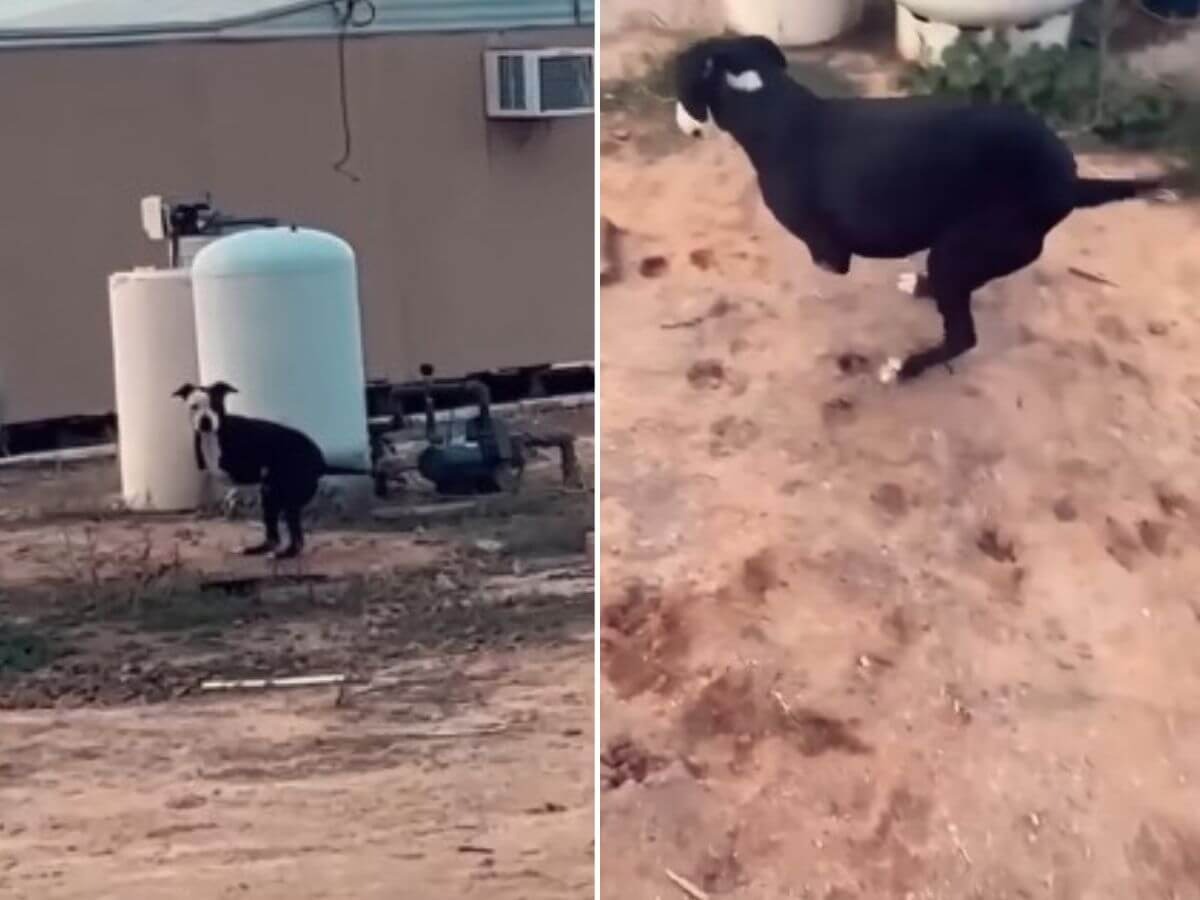
A Dog Left on the Streets Without Legs
Some stories do not begin with sirens or headlines.
They begin quietly — on pavement, in still air, where survival depends on chance encounters.
Joey’s story started that way.
The dog left on the streets without legs had no crowd around him. No immediate help. Just the open road and whatever strength he had left.
When his rescuer first approached, she expected fear. An injured, abandoned dog would normally retreat, growl, or attempt to crawl away.
Instead, Joey wagged his tail.
That single detail changed everything.
The Discovery That Sparked a Rescue
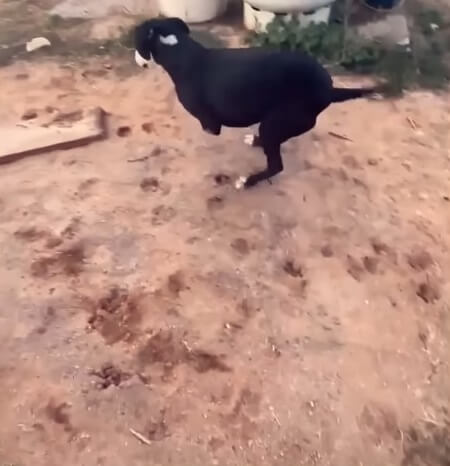
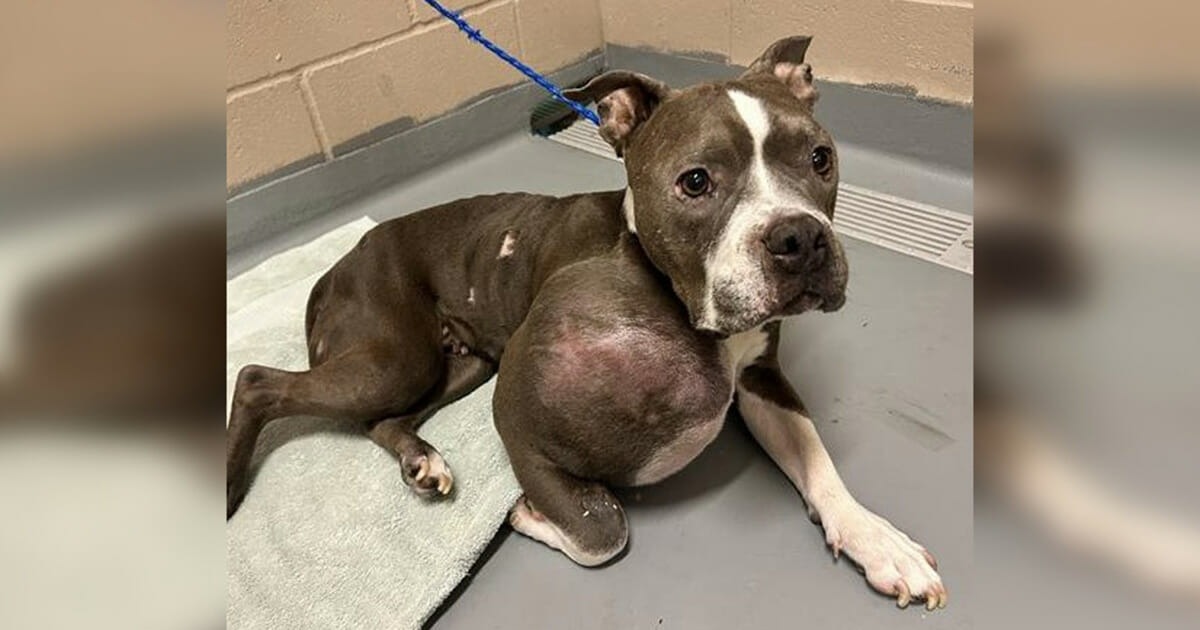
Joey was found alone, severely injured. A veterinary examination later confirmed something devastating: his legs had been intentionally amputated.
This was not an accident.
He had been left outside to survive on his own.
According to the rescue organization that stepped in — Sky Sanctuary Rescue — Joey’s condition indicated deliberate cruelty. Yet despite the trauma he had endured, he moved toward help instead of away from it.
His rescuer described feeling heartbreak and urgency at the same time.
She saw the physical damage immediately.
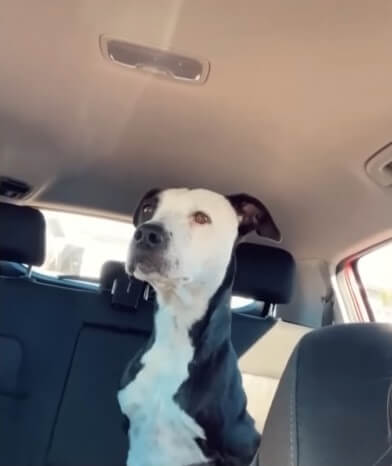
But she also saw something else: he still wanted connection.
That trust shaped what happened next.
Instead of sending him through an already overburdened shelter intake system, she brought him home.
That first night was simple:
-
A soft bed.
-
Gentle placement of food nearby.
-
A quiet room without shouting or chaos.
Safety replaced uncertainty.
The next morning, Joey was taken to a veterinary hospital for a full medical evaluation.
The Bigger Picture: Animal Abandonment in the U.S.
While Joey’s case feels shocking, it is not isolated.
According to ASPCA, approximately 6.3 million companion animals enter U.S. shelters every year. These animals arrive due to abandonment, surrender, neglect, or displacement.
Shelters across the country often operate at or near capacity. For injured animals, the path to recovery becomes even more complicated.
Cruelty cases also connect to broader societal concerns.
Humane World for Animals reports that intentional cruelty toward animals is strongly correlated with other forms of violence, including crimes against people.
Reporting abuse is not only about protecting animals — it can prevent further harm in communities.
Joey’s case highlights what happens when cruelty goes unchecked.
But it also demonstrates what intervention can accomplish.
The Medical Reality of Life Without Legs
At the hospital, discussions centered around two critical areas:
-
Pain management
-
Long-term mobility
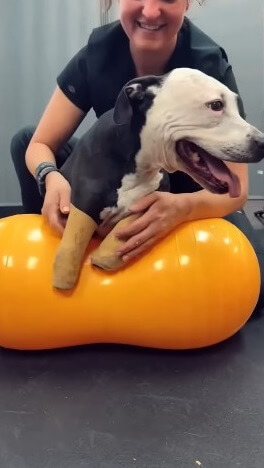
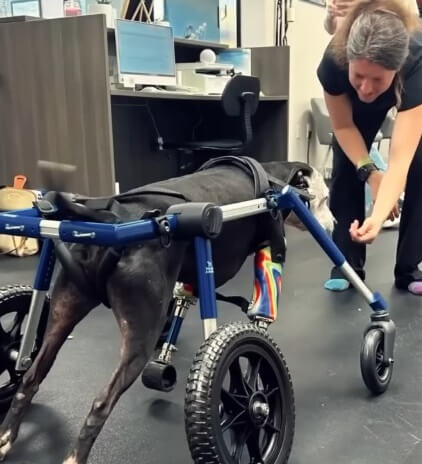
Prosthetic feet were initially considered. The idea offered hope — perhaps Joey could regain partial limb function.
However, during rehabilitation trials, inflammation and discomfort made it clear that prosthetics were not the right solution for him.
The focus shifted from replacing what was lost to supporting what remained.
His veterinary and rescue team began exploring mobility devices instead.
Finding the Right Wheelchair
Wheelchairs for dogs are not one-size-fits-all.
They must be carefully measured to match:
-
Body weight
-
Frame length
-
Core strength
-
Weight distribution
Improper alignment can cause strain on the spine and shoulders. A properly fitted wheelchair, however, restores freedom of movement.
As shared by his rescuers, several models were tested before finding the right fit.
The difference was immediate.
The first time Joey moved comfortably in his properly fitted wheelchair, his posture changed. His head lifted higher. He covered more ground. His curiosity returned.
Mobility is more than movement.
It is access.
With his wheelchair, Joey could explore his surroundings again.
Living With a Disability Does Not Mean Living Without Joy
Many potential adopters hesitate when they hear the words “special needs.”
The assumption is often that disability equals suffering or constant medical crisis.
But experts say otherwise.
Petfinder has addressed common myths about animals with disabilities, emphasizing that limitations do not prevent bonding, happiness, or independence within a committed home.
While their guidance often references hearing-impaired pets, the broader truth applies to physical disabilities as well.
Animals adapt remarkably well.
For Joey, once his wheelchair was properly fitted, he regained:
-
Independence
-
Daily engagement
-
Confidence
-
Playfulness
His quality of life improved not because his past vanished — but because his present became stable and supportive.
From Emergency Rescue to Permanent Family
Recovery transformed more than Joey’s mobility.
It transformed his future.
What began as emergency intervention slowly evolved into something permanent.
After months of medical care, fittings, adjustments, and emotional bonding, his rescuer made a life-changing decision:
She adopted him.
The dog left on the streets without legs was no longer a case file.
He became family.
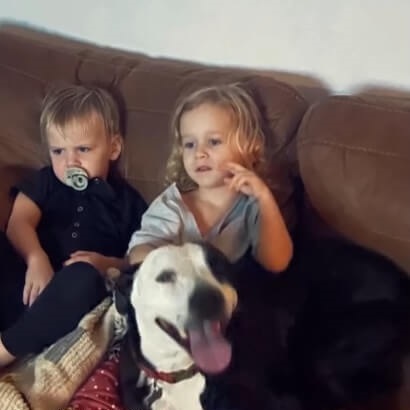
Today, Joey lives in a home structured for accessibility. Furniture placement allows him to move easily. Soft bedding supports his joints. He has animal siblings and daily routines.
Those close to him describe him as the “spoiled one” of the household.
The same dog who once lay alone on pavement now rests on cushions.
The same dog who depended on strangers now depends on love.
Why Joey’s Story Matters
Joey’s journey represents three critical truths:
1. Trust Can Survive Trauma
Despite deliberate harm, he approached help with a wagging tail. That trust allowed his rescue to happen.
2. Special-Needs Animals Can Thrive
With the right equipment and consistent care, mobility-impaired pets can live active, fulfilling lives.
3. One Decision Changes Everything
His rescuer could have walked past. She did not.
Compassion is often a single choice.
What You Can Do to Help Animals Like Joey
If this story resonates, there are practical ways to act:
Report Suspected Cruelty
Contact local authorities or humane law enforcement if you witness or suspect abuse. Early reporting can prevent prolonged suffering.
Support Special-Needs Adoption
Many rescue groups provide wheelchairs, prosthetics, and medical support to adopters. Ask questions. Learn what resources are available.
Foster
Temporary fostering helps shelters free up space and provides healing environments for vulnerable animals.
Share Verified Rescue Stories
Awareness increases funding. Funding supports veterinary care and rehabilitation programs.
The Power of Refusing to Walk Away
Joey lost his legs.
He did not lose his capacity for trust.
The dog left on the streets without legs could have become another statistic — one of millions entering the shelter system annually.
Instead, he became a symbol of resilience.
His story is not about tragedy alone.
It is about response.
It is about a rescuer who saw beyond injury.
It is about adaptive technology restoring freedom.
It is about adoption turning survival into belonging.
Most of all, it is about the quiet power of compassion.
Because sometimes, the biggest life changes begin in silence — on a street corner, with one dog wagging his tail at the first sign of kindness.

Leave a Reply