
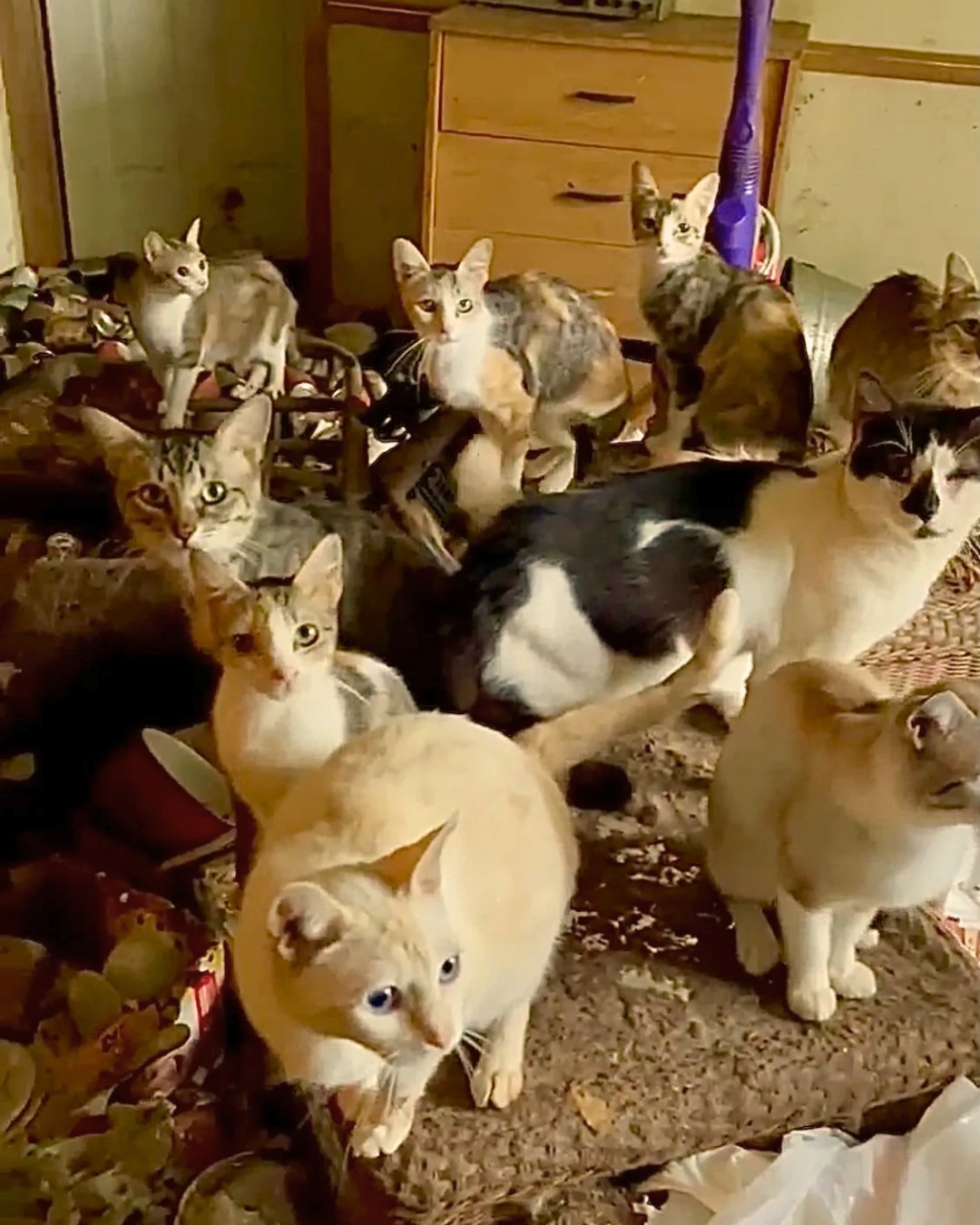
On a quiet afternoon in Faulkner County, Arkansas, a single phone call set in motion a chain of events that would test the resolve of an entire community. A concerned resident had glimpsed something troubling inside a nearby home. What began as uncertainty quickly became a coordinated effort among volunteers, local officials, and animal welfare advocates determined to help dozens of cats living in difficult conditions.
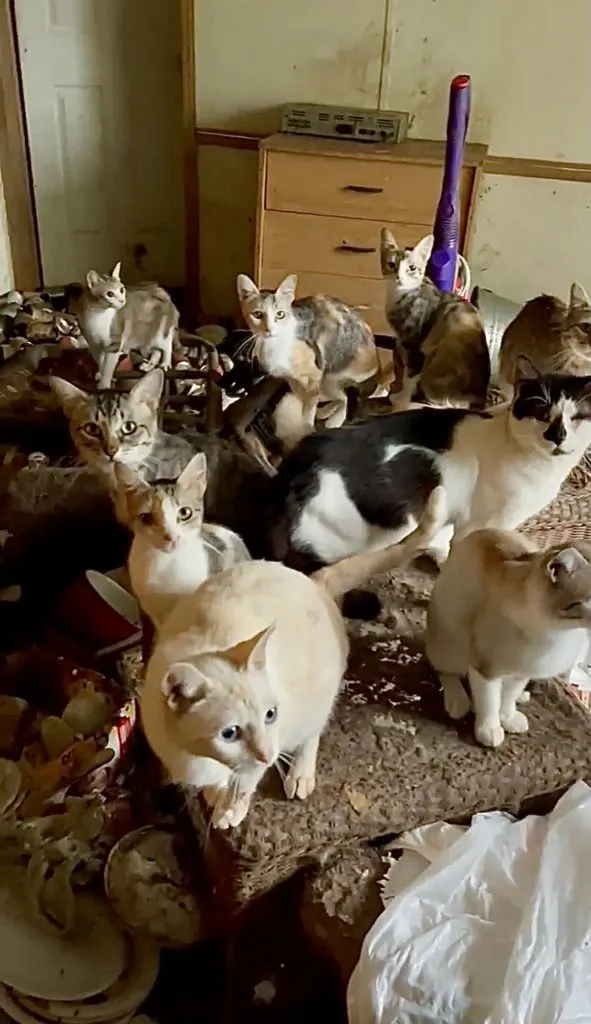
The property, described by rescuers as severely overcrowded, reportedly housed more than 100 cats. The situation has since drawn attention across Arkansas and beyond, raising urgent questions about animal welfare, mental health, legal responsibility, and the power of community action.
This article explores the unfolding rescue effort, the broader cultural and psychological dimensions of animal hoarding, and the scientific realities behind large-scale rescue operations. While the circumstances are deeply concerning, they also reveal a powerful story of compassion, resilience, and hope.
Understanding the Arkansas Cat Rescue Case
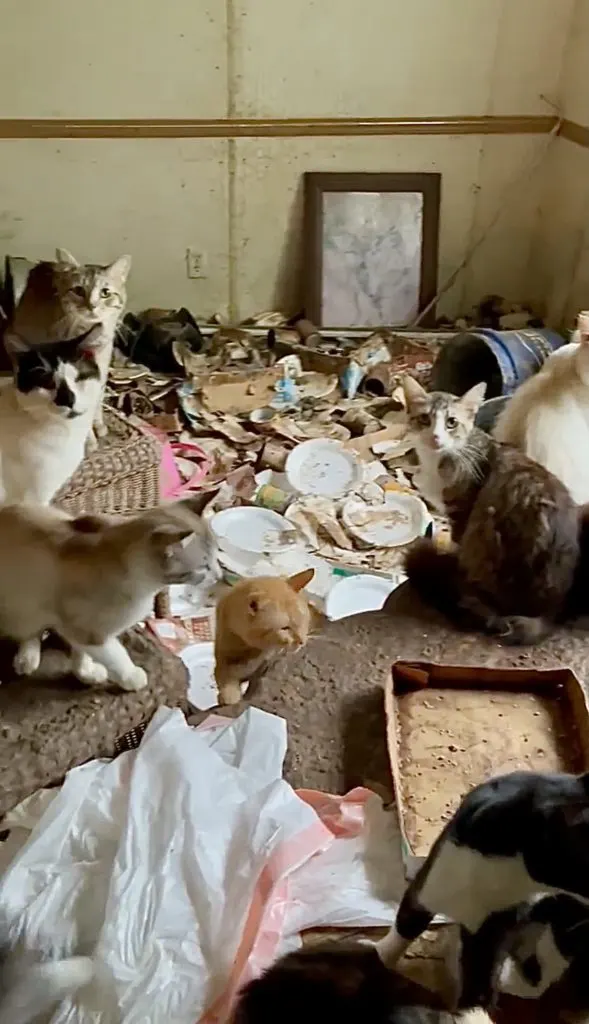
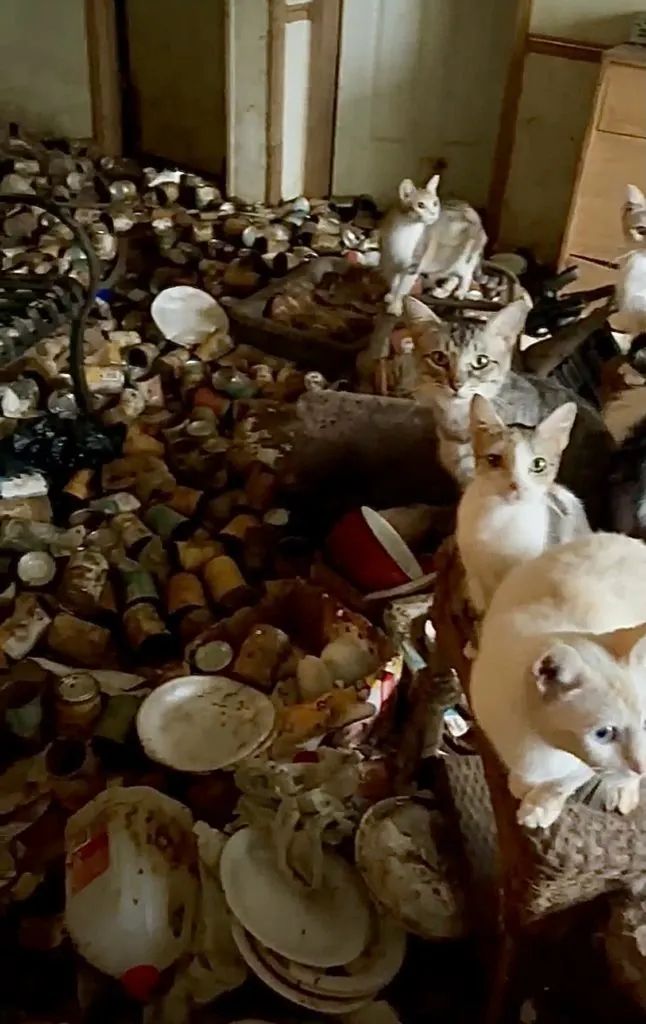
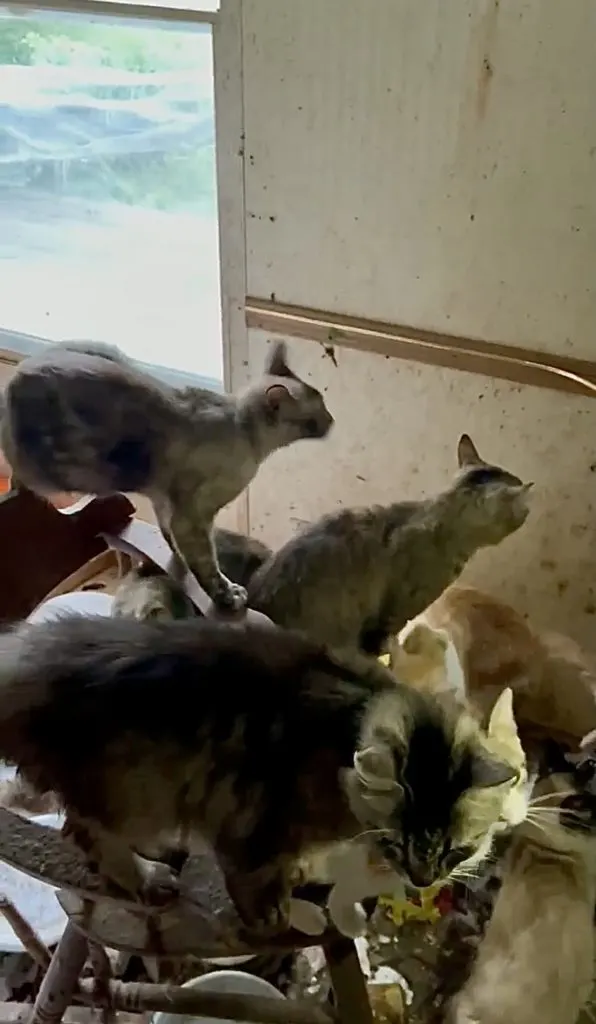
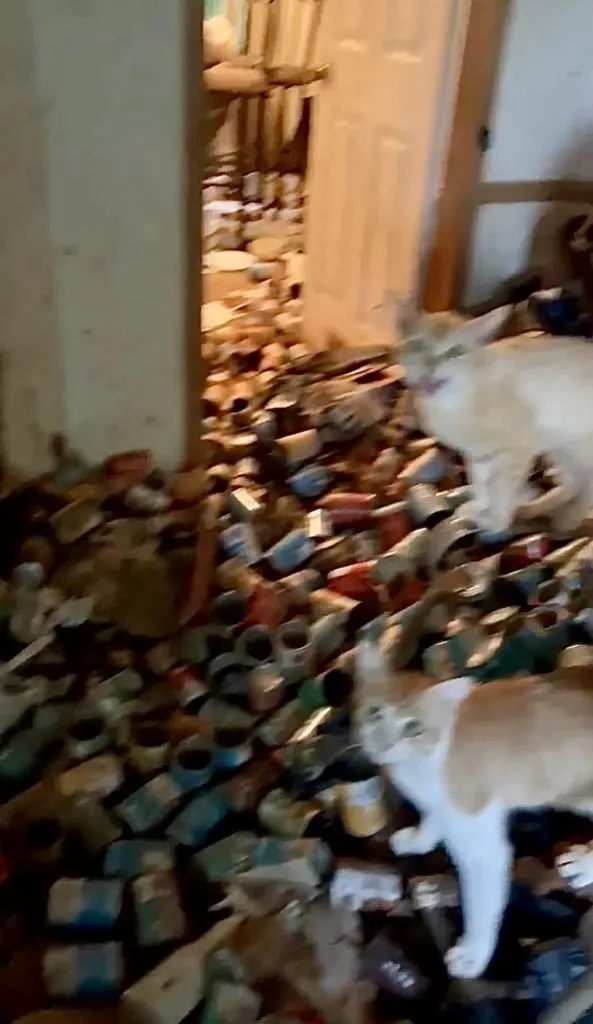
The rescue effort centers around a home in Faulkner County, where volunteers believe more than a hundred cats have been living in cramped and unsanitary conditions. The nonprofit group Biscuit’s Legacy, based in Harrisburg, Arkansas, was contacted after video footage and photographs suggested the animals were in urgent need of care.
According to reports, many of the cats appeared malnourished and were experiencing respiratory and skin-related illnesses commonly associated with overcrowded environments. Rescue teams are preparing for a large-scale intervention once legal authorization is secured.
The situation is further complicated by ownership issues. The homeowner, reportedly an elderly woman now residing in assisted living, still legally owns the animals. Without proper surrender documentation or court approval, rescuers cannot enter the property. This legal pause underscores a critical reality in animal welfare work: good intentions must operate within established laws.
Organizations including the Humane Society of the Delta have stepped forward to assist. Shelter space is being reorganized, and partnerships with out-of-state facilities are underway to ensure capacity for incoming animals.
The Complex Psychology of Animal Hoarding
Cases involving large numbers of animals in private homes are often linked to a condition known as animal hoarding. Mental health professionals describe animal hoarding as a subtype of hoarding disorder, characterized by the accumulation of animals beyond one’s capacity to provide adequate care.
The American Psychiatric Association classifies hoarding disorder in the Diagnostic and Statistical Manual of Mental Disorders. While not all individuals who accumulate animals meet clinical criteria, research indicates that cognitive decline, trauma, social isolation, and anxiety can contribute to such situations.
In some cases, especially involving elderly individuals, dementia may impair judgment and awareness. The National Institute on Aging notes that dementia can affect executive functioning, decision-making, and the ability to assess living conditions accurately.
It is important to approach these cases with empathy. While the outcome for animals can be distressing, many individuals involved initially believe they are helping. Over time, the situation can escalate beyond control.
Public Health and Veterinary Science Considerations
When animals are kept in overcrowded spaces without sufficient sanitation, the risk of disease transmission increases significantly. Veterinarians explain that respiratory infections, parasitic infestations, and bacterial skin conditions are common in such environments.
The Centers for Disease Control and Prevention emphasizes that certain animal illnesses can spread between animals and humans, especially in poorly ventilated areas. Rescue teams preparing to enter such properties often wear protective equipment to minimize health risks.
Large-scale animal rescues require careful coordination. Animals must be examined, vaccinated, quarantined when necessary, and gradually socialized. Stress management is also critical. Research from the American Veterinary Medical Association highlights the importance of minimizing anxiety during transport and shelter intake.
Each cat will likely need individualized assessment. Some may recover quickly with proper nutrition and medical care. Others could require longer rehabilitation.
The Cultural Significance of Cats Through History
Cats have long held a special place in human culture. In ancient Egypt, they were revered and associated with protection and domestic harmony. The goddess Bastet symbolized both grace and guardianship.
In medieval Europe, cats were sometimes viewed through lenses of superstition, alternately seen as symbols of mystery or good fortune. In Japanese folklore, the Maneki-neko figurine remains a popular emblem of prosperity and welcome.
Today, cats are among the most beloved companion animals worldwide. According to global pet ownership statistics, millions of households include at least one feline family member. Online communities devoted to cats, such as Happy Cat Lovers, reflect the enduring fascination and affection people feel toward them.
This cultural backdrop explains why stories involving cats resonate so deeply. They are not merely animals; they represent companionship, comfort, and emotional connection.
The Science of Compassion and Community Response
When news of the Arkansas situation spread, volunteers mobilized rapidly. Why do such stories inspire action?
Psychologists suggest that humans possess an innate caregiving response, particularly toward animals displaying vulnerability. Studies in social neuroscience indicate that seeing animals in need activates regions of the brain associated with empathy and prosocial behavior.
Community-driven rescues often rely on crowdfunding, foster networks, and partnerships with veterinary clinics. Logistics include coordinating transport vehicles, securing quarantine areas, organizing medical supplies, and training volunteers in safe handling techniques.
The scale of this Arkansas case presents significant logistical challenges. Hundreds of carriers, disinfectants, food supplies, and medical resources must be assembled. Volunteers are preparing extensively while awaiting official clearance.
Legal and Ethical Dimensions
Animal welfare law varies by state, but most jurisdictions require clear evidence before authorities can intervene in private property cases. Law enforcement and local health departments often collaborate with animal control agencies to evaluate whether conditions meet legal thresholds for removal.
Ethically, these situations demand balance. On one hand, the well-being of animals must be prioritized. On the other, property rights and due process remain essential legal principles.
Experts note that sustainable solutions often involve both rescue operations and mental health intervention for individuals involved. Without supportive services, similar patterns may reemerge.
Preparing for Rehabilitation and Adoption
Once rescued, the next phase begins: recovery. Veterinary professionals typically implement intake protocols that include physical examinations, vaccinations, parasite treatment, and diagnostic testing.
Cats recovering from prolonged confinement may require behavioral rehabilitation. Gradual exposure to calm, enriched environments helps rebuild confidence. Foster homes play a vital role, offering individualized care and socialization.
Organizations assisting in this Arkansas case are reportedly arranging transfers to create space. Interstate collaboration among shelters has become more common in recent years, helping distribute adoption demand more evenly.
Adoption campaigns often emphasize transparency. Potential adopters are informed about each cat’s medical history, temperament, and any ongoing care needs.
Lessons From Past Rescue Efforts
Large-scale animal rescues have occurred in various regions over the past decade. Research published in animal welfare journals indicates that early intervention, community reporting, and accessible spay and neuter services significantly reduce recurrence rates.
Preventative education also matters. Public awareness about responsible pet ownership, routine veterinary care, and the importance of sterilization helps prevent uncontrolled population growth.
Collaboration among nonprofits, government agencies, and veterinary professionals is often the deciding factor in successful outcomes.
Hope on the Horizon
Despite the severity of the conditions described, there is cautious optimism among those preparing to help. Rescue teams are assembling protective equipment and coordinating with health authorities to ensure safety protocols are followed.
Community members are donating funds, supplies, and time. Foster volunteers are stepping forward. The Humane Society of the Delta and local rescue organizations are creating contingency plans for intake and medical triage.
The road ahead will require patience, compassion, and sustained effort. Yet the determination expressed by volunteers suggests that these cats will not be forgotten.
A Reflection on Human Curiosity and Responsibility
Stories like this capture public attention not only because of their scale, but because they invite deeper reflection. How do such situations arise? What responsibilities do communities share? How can empathy coexist with accountability?
Human curiosity drives us to look behind closed doors, to understand circumstances that seem puzzling or overwhelming. When that curiosity is guided by compassion and knowledge, it becomes a force for positive change.
In Faulkner County, what began as one concerned neighbor’s observation has grown into a coordinated effort rooted in science, law, and community care. The outcome remains unfolding, but one truth is clear: when people choose empathy over indifference, even the most challenging circumstances can inspire collective action.
In the end, this story is not only about dozens of cats. It is about the enduring human impulse to protect, to investigate, and to hope. That impulse, grounded in both cultural tradition and scientific understanding, continues to shape how communities respond to animals in need.
Sources
American Psychiatric Association. Diagnostic and Statistical Manual of Mental Disorders.
American Veterinary Medical Association. Guidelines for Animal Care and Shelter Management.
Centers for Disease Control and Prevention. Healthy Pets, Healthy People Resources.
National Institute on Aging. Dementia and Cognitive Health Information.
Humane Society of the United States. Animal Hoarding Research and Prevention Resources.
Peer-reviewed articles from journals including Anthrozoös and the Journal of Applied Animal Welfare Science.






Leave a Reply