
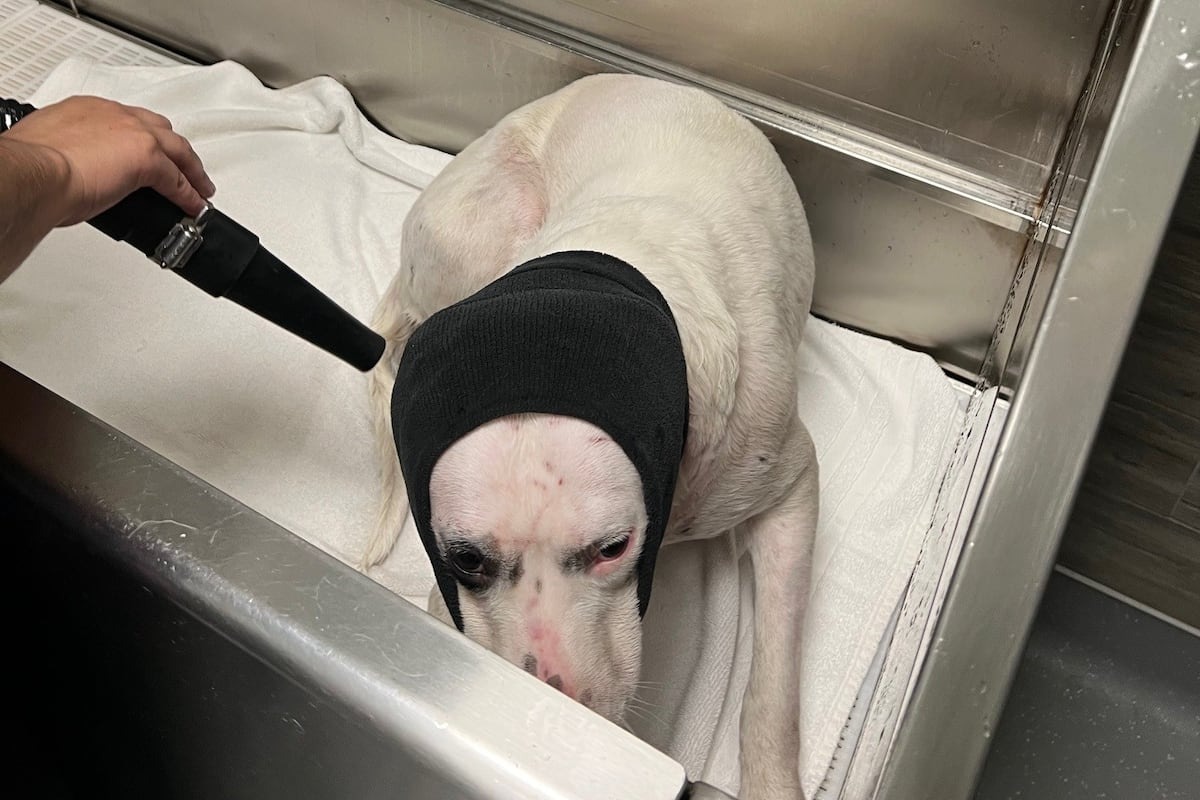
On a chilly Saturday morning, city crews in Happy Valley, Oregon, responded to an unusual call. In a fenced water retention area overgrown with blackberry bushes and cattails, a frightened dog stood partially submerged in muddy water. She was alone, exhausted, and injured. No one knew how long she had been there.
By the end of the day, that same dog would have a name, medical care, and a second chance.
Her rescuers called her Sweetie.
The Discovery: A Dog in the Water
The dog was first spotted in a retention pond area filled with thick vegetation and waist-high water. Retention ponds are engineered basins designed to manage stormwater runoff, reduce flooding, and improve drainage systems. While essential for urban planning, these spaces can become hazardous for animals if fencing limits easy escape.
According to city officials, initial attempts to approach the dog were unsuccessful. She was frightened and retreated deeper into the brush. Thick blackberry vines and muddy footing made access difficult.
Recognizing the challenge, crews from Clackamas Fire District #1 deployed a drone equipped with thermal imaging technology. The drone identified her standing in nearly two feet of water, concealed in dense foliage.
Thermal imaging, commonly used in search and rescue operations, detects heat signatures and allows responders to locate living beings even when visibility is limited. This technology, originally developed for military and aviation purposes, has become an increasingly valuable tool in civilian emergency services.
With coordinated efforts involving fire crews and local police, responders were finally able to reach her safely.
Cold, Exhausted, and Injured
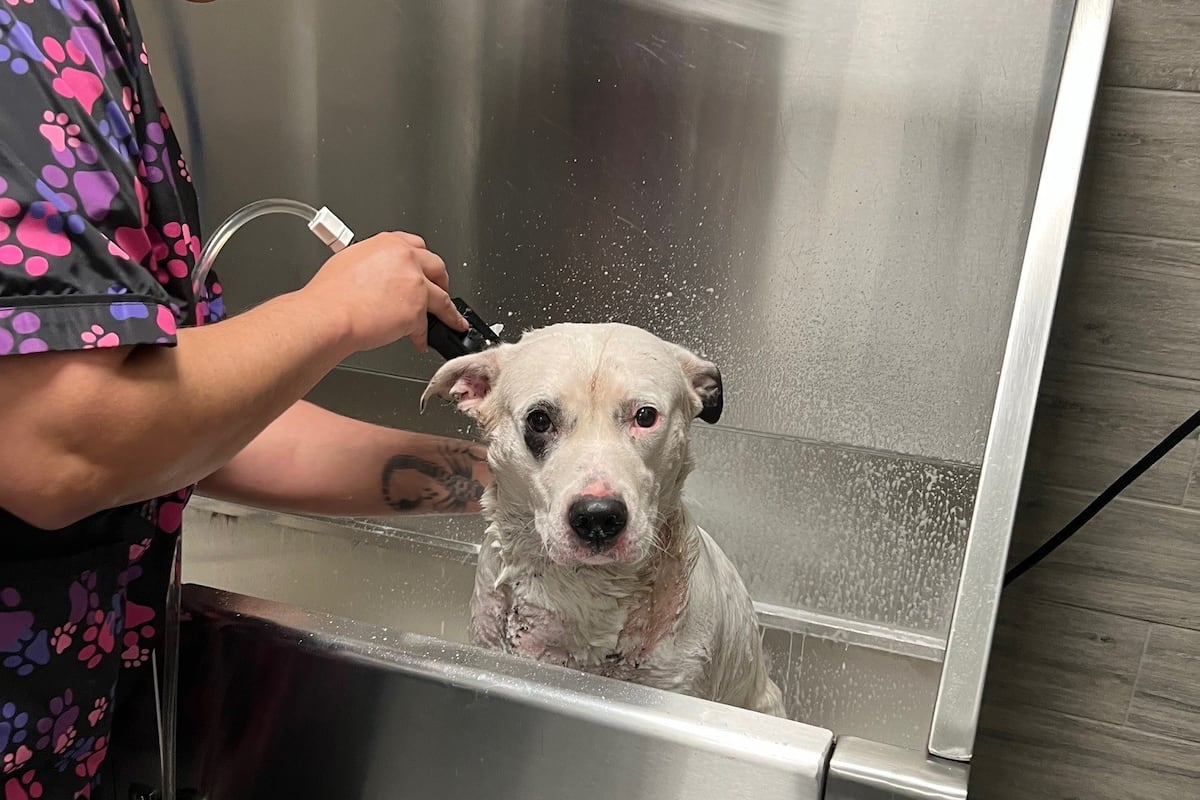
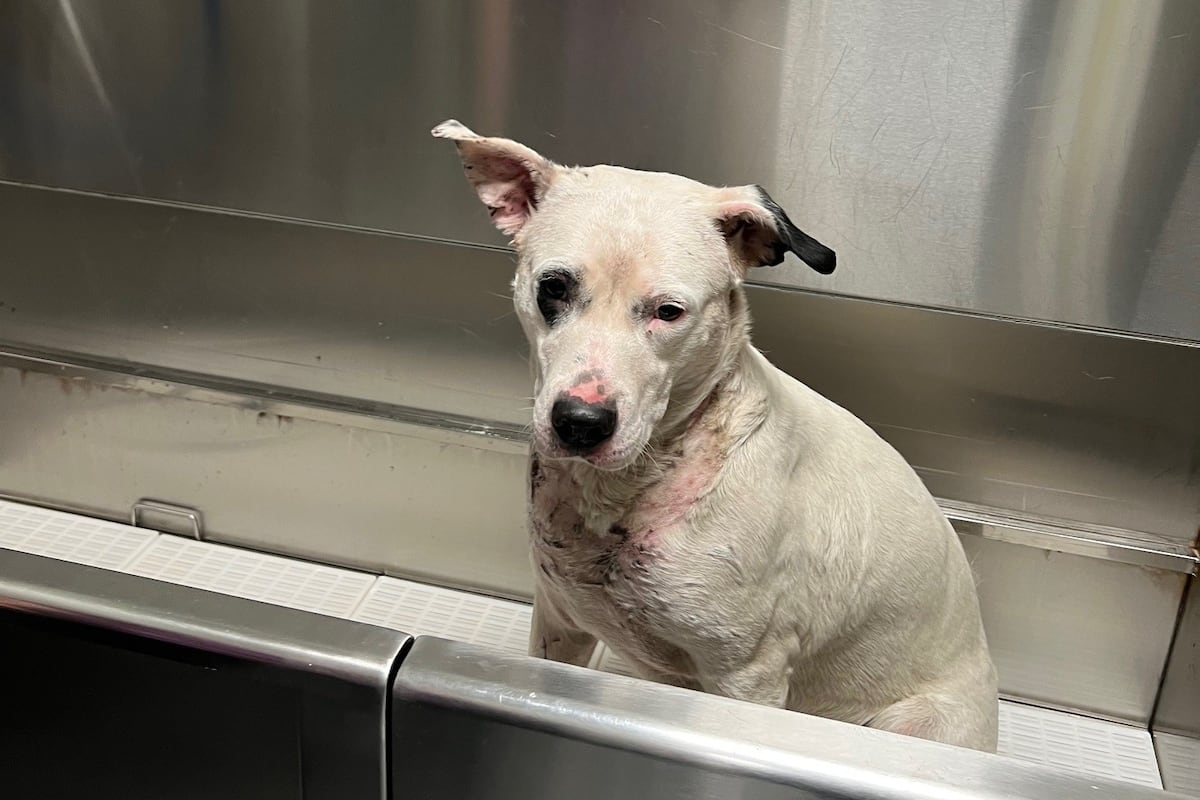
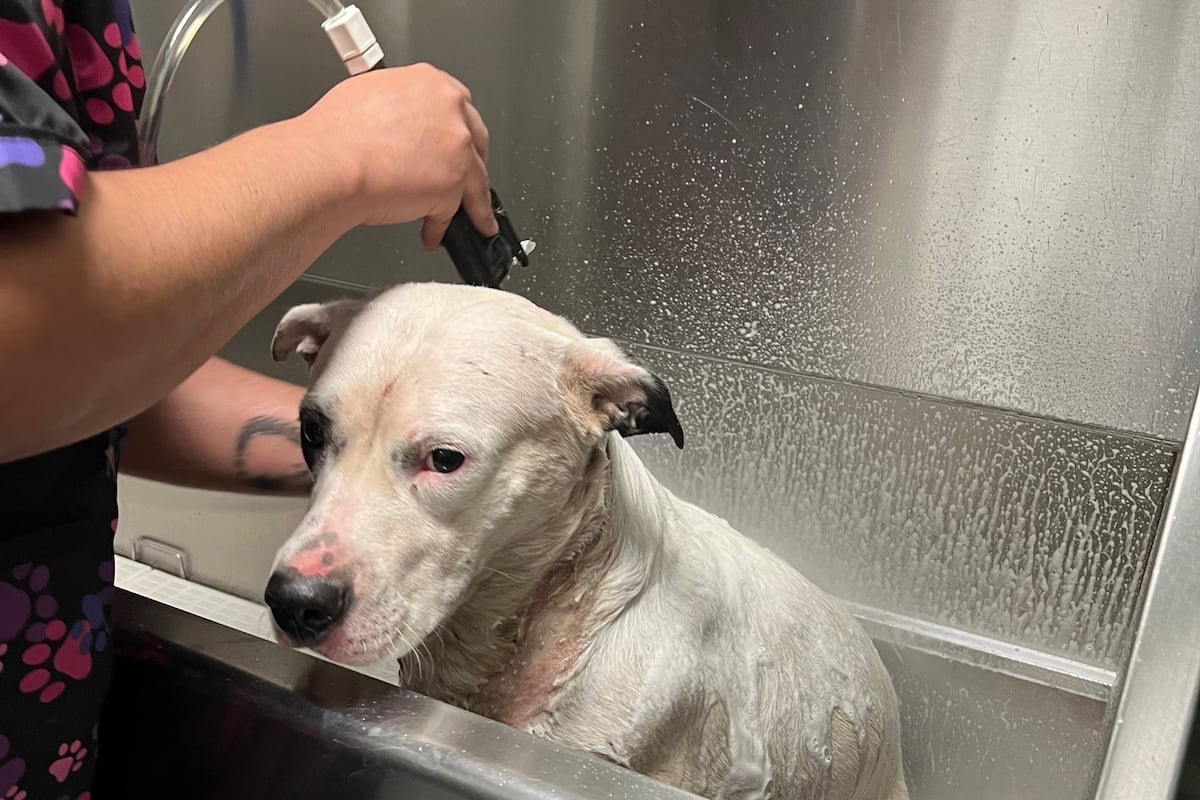
When rescuers brought the dog to safety, they described her as cold, fatigued, and suffering from superficial wounds consistent with exposure and environmental hazards. Prolonged exposure to cold water can lead to hypothermia in dogs, a condition veterinarians monitor closely.
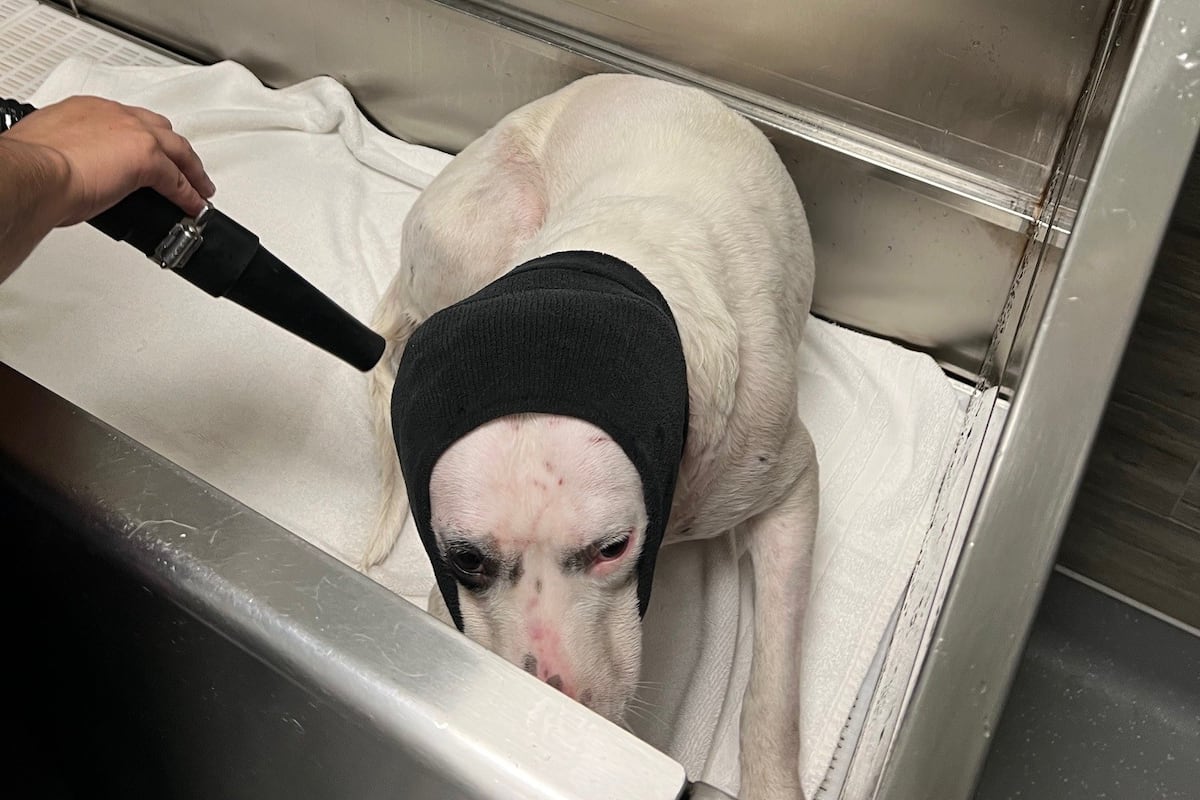
She was immediately transported to an emergency veterinary clinic for evaluation and treatment. Fortunately, medical staff reported no life-threatening injuries. Her wounds were treated, and she was gradually warmed and stabilized.
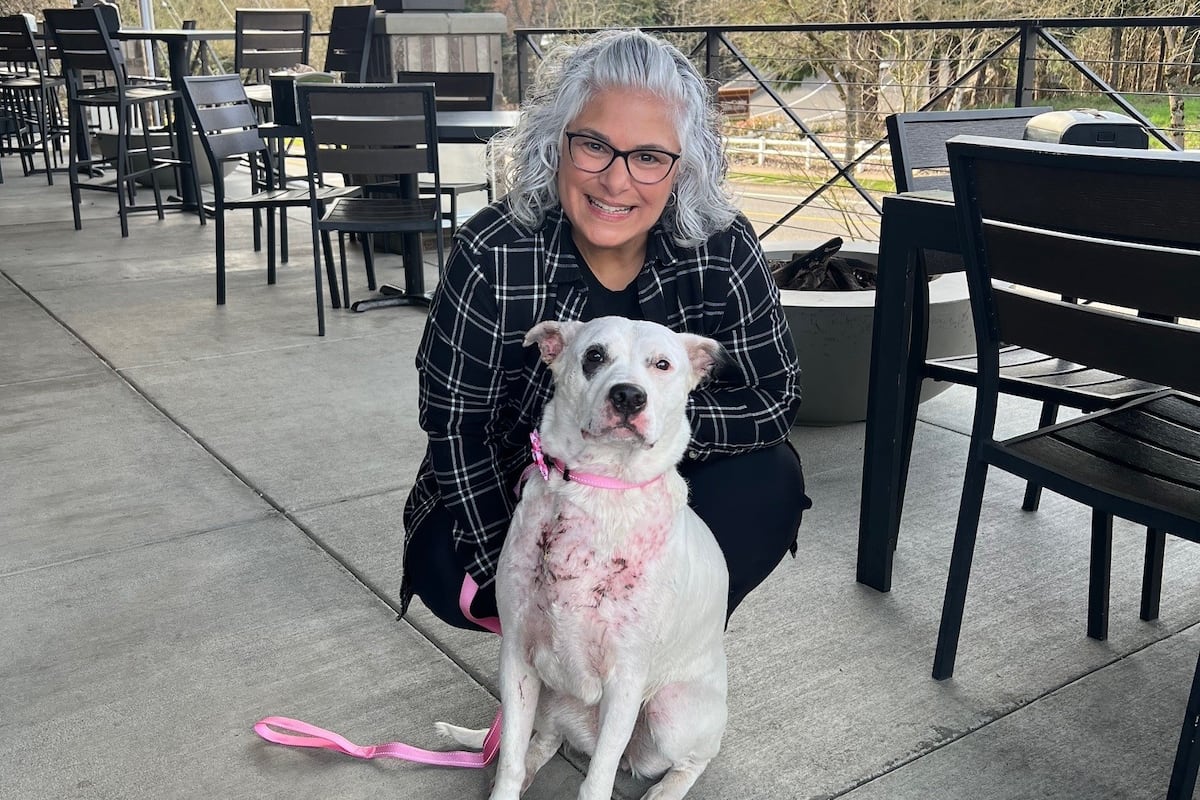
Notably, Sweetie was not wearing a license tag, and veterinary staff were unable to detect a microchip. Without identification or a reported missing pet match, officials determined she would be placed for adoption.
The City of Happy Valley later confirmed that she would be transferred to Clackamas County Dog Services for placement.
Why Microchipping and Identification Matter
Sweetie’s case highlights an important issue in animal welfare: identification.
According to the American Veterinary Medical Association, microchipping significantly increases the likelihood of reuniting lost pets with their owners. Microchips are small electronic devices implanted beneath the skin that contain unique identification numbers linked to owner contact information.
Collars and tags can fall off. Microchips provide permanent identification.
In Sweetie’s situation, the absence of a microchip made it impossible to determine whether she had an owner actively searching for her. While some lost pets are quickly reunited, others enter the adoption system when no claim is made.
The Emotional Impact of Animal Rescue
Stories like Sweetie’s often resonate deeply with the public. A vulnerable animal found in a difficult environment naturally evokes empathy. However, it is important to maintain balance in how such stories are framed.
While it is tempting to describe her rescue as miraculous, it is more accurately the result of preparedness, training, and coordination. Fire crews followed protocol. Veterinary staff applied evidence-based medical care. Animal services initiated a structured adoption process.
Compassion combined with systems is what created the positive outcome.
How Water Retention Areas Affect Urban Wildlife and Pets
Urban water retention ponds serve critical environmental purposes, especially in rapidly developing communities. In places like Happy Valley, such infrastructure helps manage rainfall and prevent flooding.
However, these areas can inadvertently pose risks to pets and wildlife if fencing restricts exit points. Blackberry bushes and cattails can create thick barriers that make navigation difficult for animals unfamiliar with the terrain.
Urban planners increasingly consider wildlife-friendly designs, such as gradual slopes and escape routes, to minimize risk. While there is no indication that the pond itself malfunctioned, Sweetie’s situation underscores how animals can become trapped in unintended ways.
The Adoption Process: A New Beginning
Once medically cleared, Sweetie became eligible for adoption through Clackamas County Dog Services. City officials described her as “incredibly sweet, gentle, and loving,” emphasizing her calm demeanor despite the stressful experience.
The adoption process typically includes behavioral assessments, medical clearance, and interviews with prospective adopters. These steps ensure the best possible match between dog and household.
Animal behavior experts note that dogs who experience stress may display temporary anxiety, but with proper care, many adjust quickly to stable environments. Structured routines, positive reinforcement training, and patient socialization support successful transitions.
Cultural Perspectives on Rescue Animals
Across cultures, rescue animals are often seen as symbols of resilience. Stories of recovery and rehoming align with broader human narratives about second chances.
In modern society, pet adoption campaigns emphasize “adopt, don’t shop,” encouraging people to provide homes for animals in shelters rather than purchasing from breeders. Organizations like the Humane Society of the United States advocate adoption as both compassionate and practical.
Sweetie’s story fits within this cultural framework. Yet it is important to avoid over-romanticizing. She is not defined by her time in the pond. She is defined by her present opportunity.
Science Behind Stress and Recovery in Dogs
Research in veterinary behavioral science shows that dogs experiencing acute stress benefit from calm environments and predictable routines. Exposure to cold and uncertainty can temporarily elevate cortisol levels, the hormone associated with stress.
Once placed in safe, warm surroundings with consistent care, most healthy dogs regulate naturally. Veterinarians often recommend gradual introduction to new settings and minimal overstimulation during early adoption days.
Sweetie’s superficial injuries and exposure were treatable. Her prognosis, based on available reports, appears positive.
The Role of Media in Community Awareness
The rescue gained attention through coverage by KPTV, a local news outlet. Media coverage plays a key role in connecting animals with potential adopters.
Responsible reporting informs without sensationalizing. In this case, the focus remained on coordinated rescue efforts, medical care, and adoption opportunities rather than dramatic embellishment.
Public awareness can increase adoption inquiries and highlight the importance of preparedness among emergency responders.
A Community Effort
Sweetie’s rescue required collaboration among fire crews, police officers, veterinary professionals, and animal services staff. Each role was essential.
Emergency responders utilized technology and training. Medical professionals applied clinical expertise. Animal services coordinated next steps.
When systems function together effectively, outcomes improve.
Looking Ahead: A Home for Sweetie
Today, Sweetie waits not in cold water but in a shelter environment designed to transition dogs into permanent homes. Her next chapter depends on a household ready to offer stability, patience, and care.
For prospective adopters, contacting Clackamas County Dog Services directly ensures up-to-date information about her availability and requirements.
Her story illustrates something simple yet profound: safety can begin with one coordinated effort.
Reflection: Why Stories Like This Matter
Why do we find ourselves drawn to stories of animal rescue?
Perhaps it reflects our enduring curiosity about vulnerability and recovery. Animals cannot narrate their own experiences, so we interpret their journeys through observation and empathy.
Sweetie’s rescue is not extraordinary because it defies science. It is meaningful because it demonstrates how preparedness and compassion intersect. Technology located her. Training guided the rescue. Veterinary science supported her recovery.
Human curiosity drives us to follow such stories to their conclusion. Compassion motivates us to participate, whether through adoption, volunteering, or responsible pet ownership.
In the end, Sweetie’s journey from a water retention pond to adoption availability is less about drama and more about possibility. It reminds us that attentive communities can transform uncertain situations into hopeful beginnings.
Sources
American Veterinary Medical Association. Pet Microchipping and Identification Guidelines.
Humane Society of the United States. Adoption and Animal Welfare Resources.
Clackamas County Dog Services. Adoption Procedures and Requirements.
Federal Emergency Management Agency. Overview of Thermal Imaging in Search and Rescue Operations.
Cornell University College of Veterinary Medicine. Hypothermia and Cold Exposure in Dogs.

Leave a Reply