
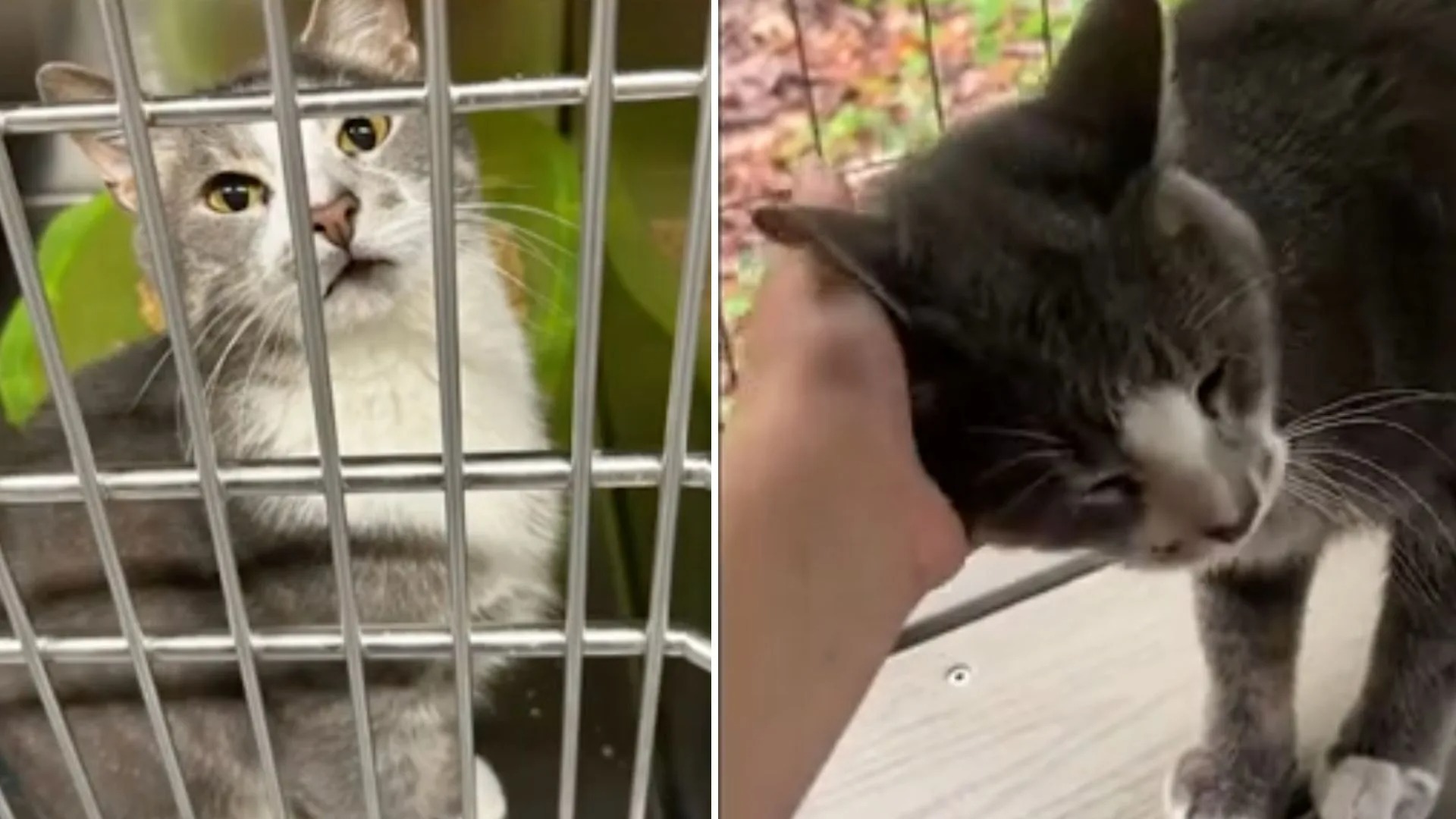
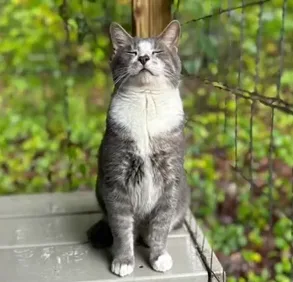
On a quiet afternoon at a small shelter in Maryland, a familiar carrier appeared at the front desk. Inside sat Finnegan, a five year old cat who had once waited more than a year for adoption. Volunteers at the Chesapeake Feline Association in North East had celebrated when he finally found a home. Now, six months later, he was back.
The reason was simple, yet deeply emotional for those who cared about him. Finnegan had scratched the carpet in his adoptive home.
To some, that might sound minor. To shelter staff, it was a reminder of how easily misunderstandings about natural feline behavior can disrupt what was meant to be a lifelong bond. Finnegan’s story is not only about one cat’s return to a shelter. It is about the intersection of instinct, expectation, and the cultural myths that shape how humans view cats.
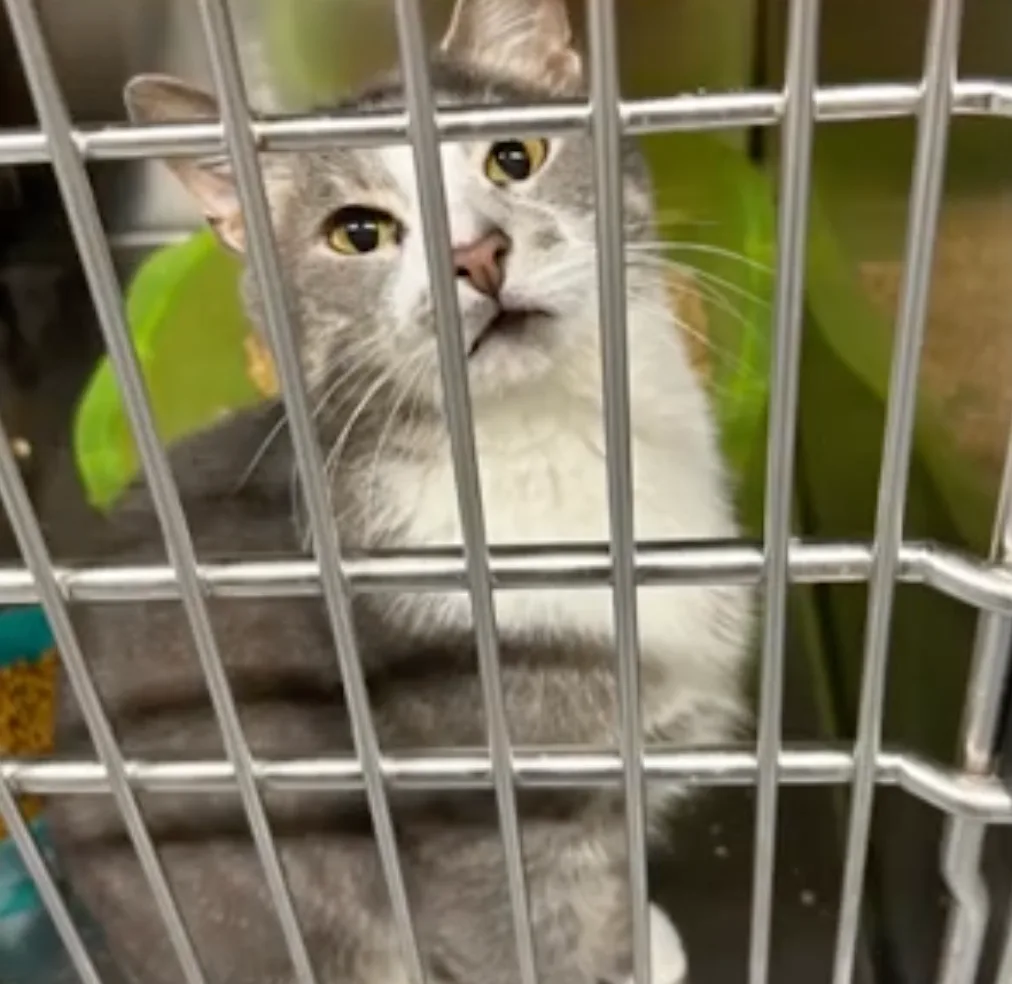
Finnegan’s Long Wait for a Home
Finnegan had spent over twelve months at the Chesapeake Feline Association, a respected rescue organization dedicated to feline welfare. Volunteers described him as affectionate, calm, and adaptable. He watched other cats leave while he remained behind, quietly hoping for his turn.
When adoption day finally came, there was joy. Shelter workers invest emotionally in the animals they care for. Seeing one leave with a family feels like a shared victory.
For half a year, Finnegan’s new life appeared stable. Then came the call that he would be returned. For the staff, the sight of him sitting in a carrier again was difficult to process.
The stated reason was scratching damage to household carpet. While understandable from a property perspective, it also highlighted a common gap in understanding feline instincts.
Why Cats Scratch: The Scientific Perspective
Scratching is not misbehavior. It is a deeply ingrained biological instinct. According to the American Society for the Prevention of Cruelty to Animals, cats scratch for several reasons. They maintain nail health by removing outer sheaths. They stretch muscles in their shoulders and back. They also leave visual and scent markers as a form of communication.
The American Veterinary Medical Association notes that scratching is a normal and necessary behavior for feline well being. Attempting to eliminate it entirely can lead to frustration and stress. Instead, experts recommend redirecting the behavior to appropriate surfaces.
From a scientific standpoint, Finnegan’s actions were predictable and natural. The challenge lies not in stopping scratching altogether but in guiding it productively.
Cultural Myths About Cats
Cats have occupied a complex place in human culture for thousands of years. In ancient Egypt, they were associated with protection and grace. In medieval Europe, they were sometimes viewed with suspicion. In modern households, they are often described as independent and low maintenance.
This last perception can create unrealistic expectations. The idea that cats require minimal engagement overlooks their need for stimulation and enrichment. The Cornell Feline Health Center explains that environmental enrichment is essential to prevent boredom related behaviors, including excessive scratching.
The myth of the “self sufficient cat” may contribute to adoption mismatches. When new pet owners expect effortless companionship, normal feline habits can feel surprising.
Finnegan’s return illustrates how cultural assumptions sometimes clash with biological reality.
The Emotional Impact on Shelter Staff
Animal shelters are not simply holding facilities. They are communities built on compassion. Volunteers feed, groom, and socialize the animals daily. Bonds form naturally.
When a cat returns after months in a home, it can feel like a setback. Staff members often wonder whether something more could have been done to prevent the return. In Finnegan’s case, the rescue reportedly offered solutions before the adoption was reversed. They suggested nail trims, environmental adjustments, and behavior management strategies.
Despite those efforts, the adopter chose to bring him back.
From a shelter perspective, returns are always complex. They involve balancing empathy for adopters with advocacy for the animal. The Best Friends Animal Society emphasizes that open communication and post adoption support can significantly reduce return rates.
Practical Solutions for Scratching Behavior
Understanding scratching behavior empowers cat owners to manage it effectively. Experts widely recommend providing tall, sturdy scratching posts. Vertical posts allow cats to stretch fully, while horizontal scratchers cater to different preferences.
Placement matters. Cats often scratch near entryways or resting areas. Positioning posts in those locations increases the likelihood of use. Making furniture less appealing with temporary coverings can also help redirect behavior.
Regular nail trimming reduces potential damage. Many shelters and veterinary clinics offer guidance or demonstrations. Importantly, positive reinforcement strengthens desired habits. Rewarding a cat for using a scratching post encourages repetition.
None of these strategies eliminate instinct. Instead, they channel it constructively.
Adoption as a Long Term Commitment
Finnegan’s experience underscores a broader truth about pet adoption. Bringing an animal into a home is not only an emotional decision but a practical one. It requires patience, flexibility, and education.
The Humane Society of the United States advises prospective adopters to research common behaviors before welcoming a pet. Preparation reduces surprises and fosters realistic expectations.
Scratching, shedding, vocalizing, and playful mischief are all part of feline life. When adopters anticipate these behaviors, they are less likely to feel overwhelmed.
Finnegan’s return does not mean the adoption failed in a moral sense. It may simply indicate a mismatch between environment and expectations. Shelters often stress that finding the right home matters more than finding any home.
Online Reactions and Public Awareness
When Finnegan’s story was shared on social media, it resonated widely. Viewers expressed sadness that a gentle cat had been returned for a common habit. Others shared experiences of their own cats scratching furniture yet remaining cherished companions.
Digital platforms amplify such stories, sometimes framing them as dramatic. While emotional reactions are understandable, it is important to maintain perspective. Adoption challenges are rarely one dimensional. They often involve lifestyle factors, housing constraints, and personal preferences.
Public conversations can, however, increase awareness. Each shared story becomes an opportunity to educate future adopters about normal feline behavior.
The Science of Attachment and Resilience
Cats form attachments to caregivers, though their expressions of affection may differ from dogs. Studies in animal behavior suggest that many cats develop secure bonds with humans, seeking proximity and interaction.
A return to a shelter can temporarily disrupt routine, but cats are also adaptable. With consistent care and positive experiences, they can adjust to new environments. Resilience in animals is not mystical. It is rooted in neurobiology and the capacity to form new associations.
Finnegan’s gentle nature may ultimately help him transition smoothly into another home better suited to his needs.
Looking Ahead for Finnegan
Today, Finnegan waits again. Volunteers continue to describe him as loving and flexible. His story has drawn attention not because it is rare but because it reflects a common misunderstanding.
The right adopter for Finnegan will likely be someone who understands that scratching is part of feline identity. A household prepared with scratching posts and enrichment will not see his behavior as a flaw but as a feature of being a cat.
Shelter staff remain hopeful. Experience shows that patience often leads to a better match the second time around.
A Reflection on Curiosity and Compassion
Why do stories like Finnegan’s capture public attention? Perhaps because they challenge us to look closer. A scratched carpet may initially appear to be a problem. A deeper look reveals instinct, biology, and the need for understanding.
Human curiosity drives us to ask why animals behave as they do. Science provides explanations rooted in anatomy and psychology. Culture adds narrative and emotion. Together, they shape how we interpret events.
Finnegan’s journey reminds us that knowledge transforms frustration into empathy. When we understand natural behavior, we respond with solutions rather than disappointment.
In the end, adoption is not about perfection. It is about partnership. And like all partnerships, it grows stronger when curiosity leads to learning, and learning leads to compassion.
Sources
American Society for the Prevention of Cruelty to Animals. Cat Behavior and Scratching Guidance.
American Veterinary Medical Association. Feline Behavioral Health Resources.
Cornell Feline Health Center. Environmental Enrichment for Cats.
Best Friends Animal Society. Reducing Pet Return Rates Through Education.
Humane Society of the United States. Preparing for Cat Adoption.




Leave a Reply