
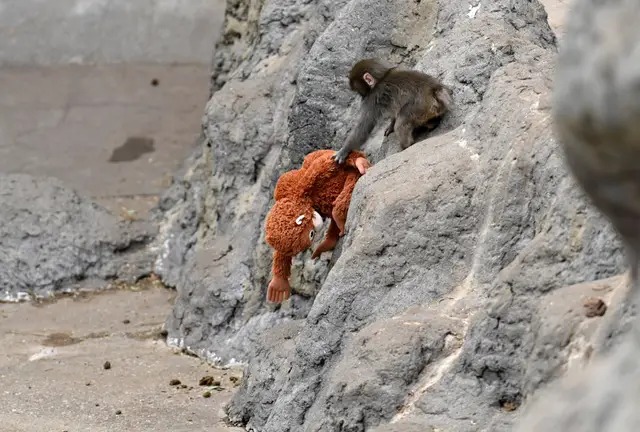
The internet’s favorite baby monkey is back in the spotlight — and this time, it’s because fans are worried.
Ichikawa City Zoo has shared a public update about Punch, the young Japanese macaque who captured hearts worldwide after videos showed him clinging to a stuffed orangutan toy for comfort.
Why Did Punch Go Viral?
Punch, a Japanese macaque born in July last year, was rejected by his mother shortly after birth. As a result, zookeepers stepped in to hand-raise him.
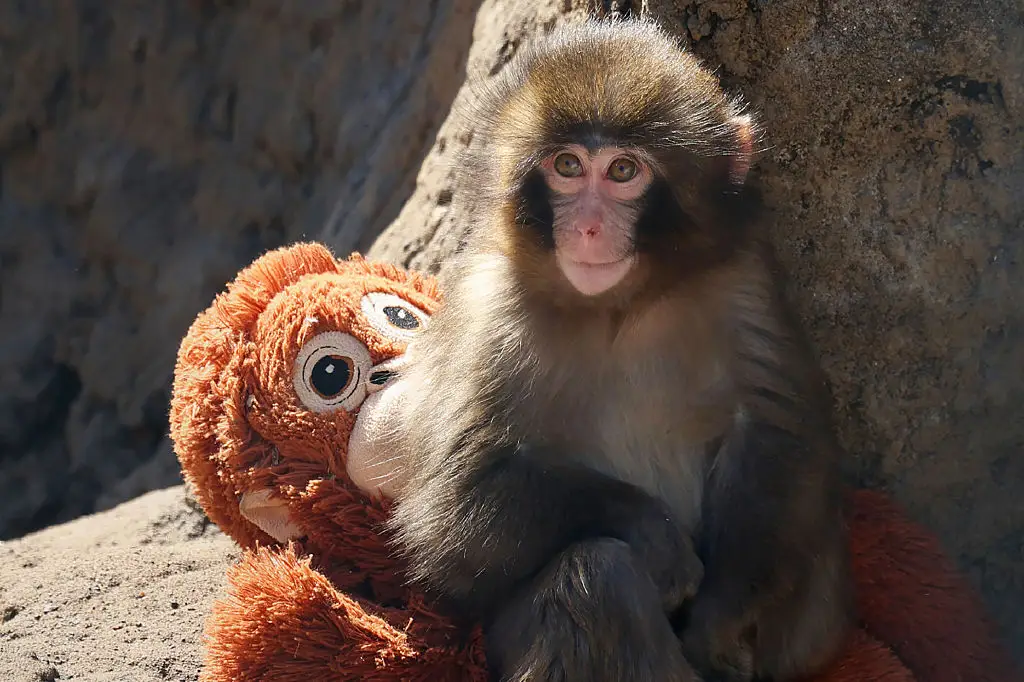
To provide comfort, caregivers gave him a plush orangutan toy — which he has rarely been seen without. Clips of Punch cuddling and carrying his stuffed “mother” quickly spread across social media, turning him into a viral sensation.
In January, Punch began integrating with the zoo’s macaque troop. Since then, videos have circulated showing other monkeys pushing or tossing him, leading some viewers to accuse the troop of “bullying” the baby monkey.
However, zoo officials have repeatedly reassured the public that this behavior is part of normal social integration among Japanese macaques.
Concerns Over Hair Loss and Environment
Recently, new concerns emerged online — this time regarding hair loss (alopecia) observed in some of the macaques.
In a statement posted on X (formerly Twitter) on February 25, the zoo addressed questions about the troop’s health and living conditions.
According to the zoo, while a few macaques are experiencing noticeable hair loss, veterinary evaluations have confirmed that:
-
Their weight is appropriate
-
Their food intake is sufficient
-
No clear illness has been identified
The zoo believes the most likely cause is excessive grooming — a common social behavior among macaques that can sometimes lead to patchy fur loss.
To address the issue, three staff members have reportedly been working since June 2025 to test new strategies aimed at improving group dynamics and overall welfare.
What About Punch’s Safety?
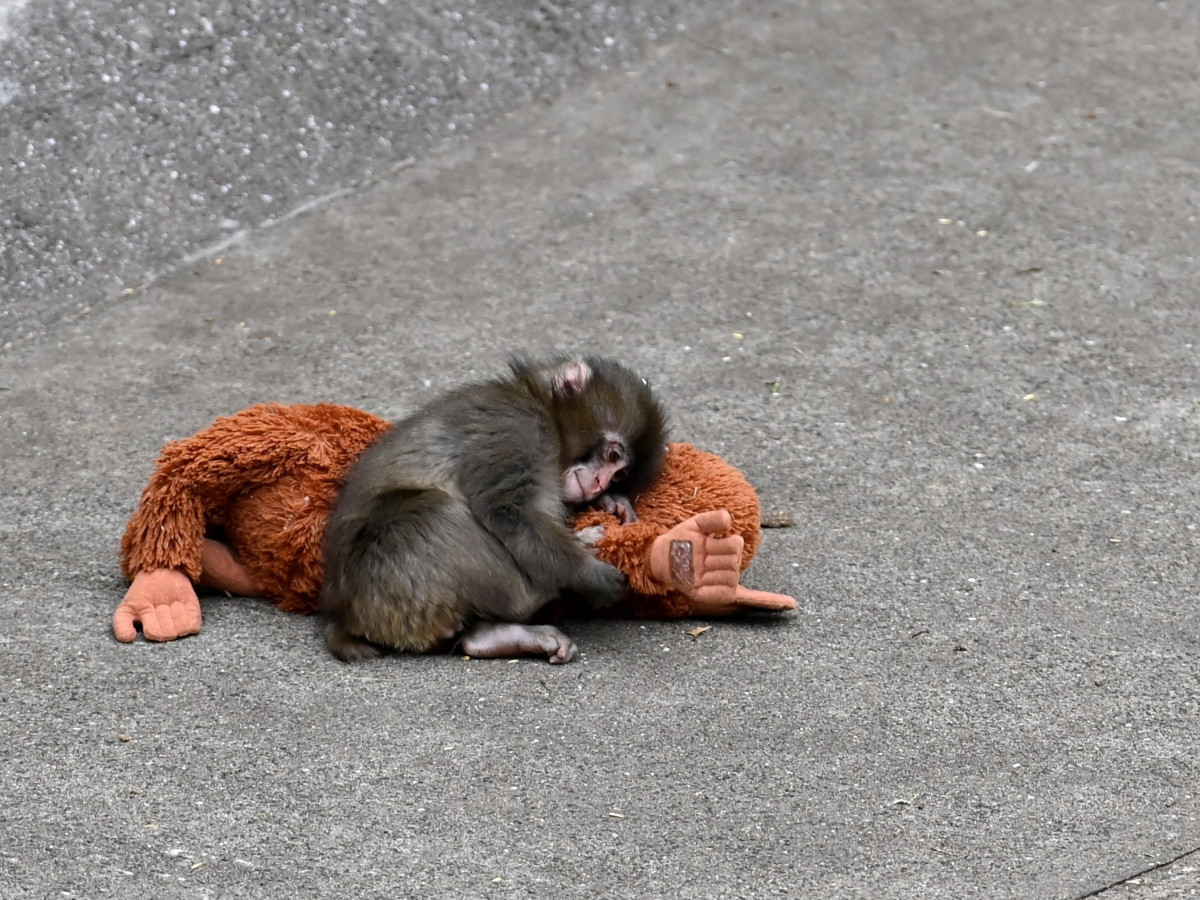
Many online viewers remain especially protective of Punch, concerned that he may be stressed or mistreated while integrating into the troop.
The zoo clarified that:
-
No single monkey has shown serious aggression toward Punch
-
Four indoor rooms are always accessible to the troop, including Punch, providing private space away from visitors
-
Trees and environmental enrichment tools are in place to encourage healthy play and stimulation
Officials emphasized that animal welfare remains their top priority.
They also explained that making dramatic changes to the “monkey mountain” habitat could disrupt the troop’s social structure — potentially worsening integration challenges for Punch rather than helping him.
For now, the focus is on allowing him to safely become a full member of the group while gradually improving overall living conditions.
Understanding Japanese Macaque Social Behavior
Japanese macaques, also known as snow monkeys, have complex social hierarchies. Young or newly introduced individuals often experience corrective behaviors such as pushing or scolding as they learn boundaries within the troop.
While these interactions can look alarming to human observers, they are often part of normal social development — provided they do not escalate into sustained aggression.
According to the zoo’s statement, Punch’s interactions fall within typical social patterns.
Public Reaction Remains Strong
Punch’s story has sparked an outpouring of maternal concern from social media users worldwide. His attachment to the stuffed toy and his early rejection have only deepened public empathy.
The zoo concluded its update by thanking supporters and asking for continued understanding as they monitor and adjust care practices.
For now, Punch continues navigating life as a young macaque — toy in hand — while slowly building his place within the troop.
And as long as he remains online’s adopted baby, it’s clear people will keep watching closely.

Leave a Reply