
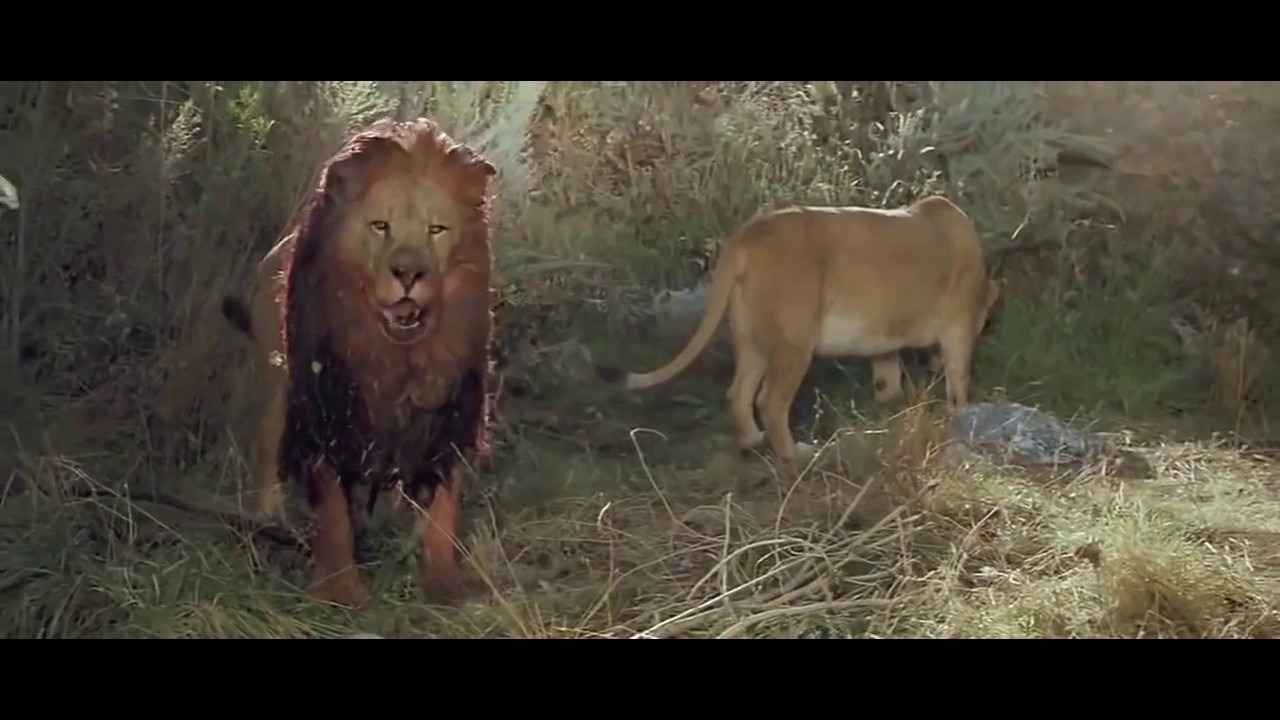
In the early 1970s, a quiet ranch in California began to resemble something out of a dream. Lions lounged on staircases. Tigers wandered past swimming pools. Cheetahs rested beneath kitchen tables. Visitors later described the setting as surreal, almost mythical, as if the boundary between wilderness and suburb had briefly dissolved.
From that bold vision emerged Roar, a 1981 adventure film that would become one of the most talked-about productions in Hollywood history. Directed by Noel Marshall and starring Tippi Hedren and her daughter Melanie Griffith, the movie set out to explore the relationship between humans and large cats in an unusually immersive way.
What followed was a production journey that blurred the line between cinematic ambition, cultural symbolism, and evolving scientific understanding of animal behavior. Today, Roar is remembered not only as a film but as a case study in risk, myth, and our enduring fascination with wild animals.
The Vision Behind Roar
The idea for Roar reportedly began after Marshall and Hedren visited Africa and developed a deep admiration for lions and other big cats. Inspired by the experience, they imagined a film that would depict humans living harmoniously alongside these powerful animals.
Rather than relying heavily on visual effects or controlled studio environments, the filmmakers aimed for realism. They believed that extended proximity between cast members and big cats might create a natural sense of familiarity. At its peak, the production involved dozens of lions, tigers, and other large felines on location.
The concept reflected a broader cultural trend of the 1970s. During this period, environmental awareness was rising in the United States. Conservation efforts were gaining attention, and wildlife documentaries were capturing public imagination. Roar sought to tap into this momentum by presenting large predators not as villains but as majestic creatures deserving respect.
Big Cats in Culture and Myth
Lions and tigers have long occupied a powerful place in global mythology. In ancient Egypt, lion-headed deities symbolized strength and protection. In parts of Asia, tigers represented courage and balance. European heraldry frequently featured lions as emblems of royalty and bravery.
In literature and film, big cats often carry dual symbolism. They are portrayed as both noble guardians and unpredictable forces of nature. This duality reflects humanity’s complicated relationship with the wild. We admire power and beauty, yet we remain aware of nature’s independence.
Roar attempted to shift the narrative toward coexistence. Instead of presenting lions and tigers as distant icons or symbolic threats, the film placed them within a domestic setting. This creative decision invited audiences to reconsider familiar myths and imagine a world where boundaries between species were less rigid.
However, cultural symbolism does not always align with biological reality. Scientific research offers important context for understanding why such closeness can be unpredictable.
Scientific Perspectives on Big Cat Behavior
Large felines such as lions and tigers are apex predators with highly developed instincts. According to research from organizations like the National Geographic Society, lions are social animals that live in prides, while tigers are generally solitary. Both rely on keen senses and quick reflexes shaped by thousands of years of evolution.
Even when raised in human environments, these animals retain instinctual behaviors. Wildlife biologists emphasize that domestication is a long-term evolutionary process distinct from taming. Domestic dogs, for example, have undergone tens of thousands of years of selective breeding to enhance traits compatible with human households. Big cats have not experienced the same evolutionary pathway.
Studies in animal behavior science highlight the role of environmental stimuli in triggering instinctive responses. Sudden movements, unfamiliar sounds, or changes in routine can influence how large animals react. While some individuals may become accustomed to human presence, variability remains.
In hindsight, Roar’s production choices can be viewed through this scientific lens. The filmmakers aimed for authenticity, yet modern animal behavior research suggests that unpredictability is inherent when humans interact closely with non-domesticated species.

Production Challenges and Industry Evolution
Originally envisioned as a six-month shoot, Roar’s production extended over many years. The ambitious scale, combined with logistical complexities, contributed to repeated delays. Managing dozens of large animals required significant coordination, specialized facilities, and constant supervision.
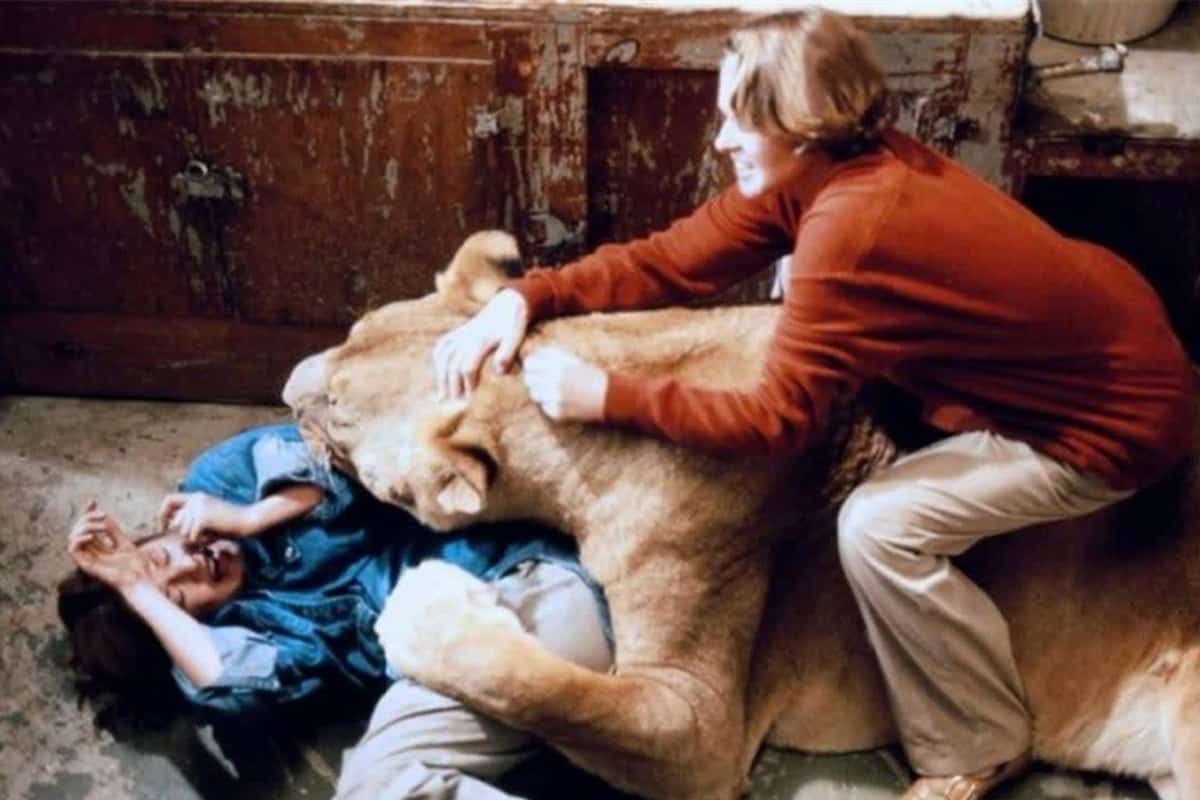
Accounts from those involved describe an atmosphere that was both awe-inspiring and demanding. While the film’s opening statement emphasized that animals were not harmed, numerous human participants reportedly required medical attention over the course of filming. These incidents have often been cited in retrospectives as examples of the risks associated with unconventional filmmaking methods.
Financially, the extended timeline placed strain on the project. With an estimated production cost of approximately $17 million, Roar struggled to recover its investment upon release. Its initial box office performance was modest compared to its budget.
Yet the film’s legacy evolved over time. Decades later, Roar was rediscovered by new audiences who viewed it as a cinematic curiosity. Some praised its raw authenticity and environmental message. Others regarded it as a reminder of how safety standards have advanced.
Today, film productions operate under strict guidelines when animals are involved. Organizations such as the American Humane monitor on-set practices to ensure compliance with welfare standards. The industry’s approach has shifted toward controlled environments, professional trainers, and, increasingly, computer-generated imagery.
Myth Versus Reality in Human Animal Relationships
Roar invites a broader question: can humans truly coexist closely with apex predators in everyday settings?
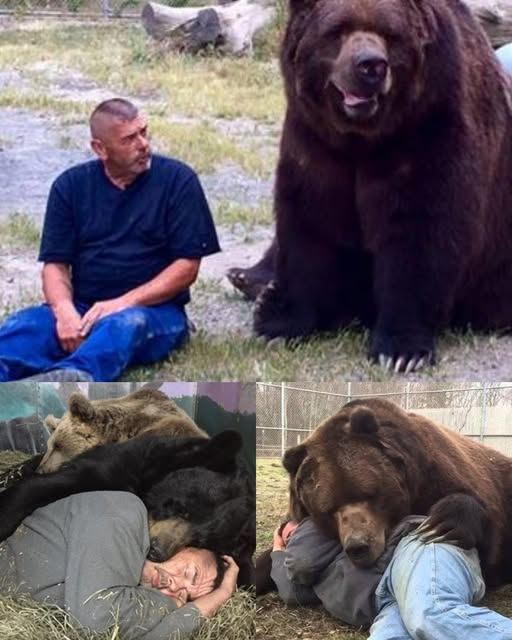
Throughout history, stories have emerged of individuals forming bonds with wild animals. While some accounts describe peaceful interactions, experts caution against generalizing isolated cases. Each animal possesses a unique temperament influenced by genetics, upbringing, and environment.
The idea that prolonged exposure alone can transform instinct into domestic calm is debated among scientists. According to research from institutions such as Smithsonian Institution, domestication involves complex genetic changes across generations. It is not simply a matter of familiarity.
Cultural narratives often romanticize the concept of living in harmony with nature. These stories serve symbolic purposes, reminding us of our desire for connection. However, scientific perspectives encourage respect for natural boundaries.
Roar can be interpreted as a meeting point between these two frameworks. It embodies the romantic vision of unity with wildlife while simultaneously illustrating the practical challenges of bridging that divide.

Environmental Awareness and Conservation Impact
Despite its production controversies, Roar contributed to conversations about big cat conservation. Tippi Hedren later became involved in sanctuary efforts aimed at providing safe environments for large cats.
Public fascination with lions and tigers often leads to increased awareness of conservation issues. Habitat loss, climate change, and human expansion continue to affect wild populations. Organizations worldwide work to protect ecosystems and promote sustainable coexistence.
The film’s environmental message aligns with broader conservation goals. It sought to portray big cats as complex beings rather than simplistic symbols. In doing so, it reflected a cultural shift toward empathy and ecological responsibility.
At the same time, modern conservation science emphasizes that admiration must be paired with informed action. Protecting wildlife typically involves preserving natural habitats rather than integrating predators into domestic settings.
The Psychology of Risk and Ambition
Roar’s story also offers insight into human psychology. Creative visionaries often pursue ambitious ideas that challenge convention. Psychologists studying risk perception note that individuals may underestimate potential complications when driven by passion or optimism.
This phenomenon is not unique to filmmaking. Entrepreneurs, explorers, and innovators throughout history have embraced bold experiments in pursuit of progress. Sometimes these experiments lead to breakthroughs. Other times they reveal unforeseen complexities.
Roar can be seen as a cinematic experiment born from idealism. While the production encountered obstacles, it also demonstrated a willingness to push boundaries in storytelling.
A Cult Legacy and Modern Reappraisal
In recent years, Roar has experienced a revival among cinephiles and historians. Special screenings and restored editions have introduced the film to new generations.
Viewers today often watch it through a dual lens. On one hand, they appreciate its environmental themes and commitment to realism. On the other, they recognize how significantly production standards have evolved.
The contrast highlights broader societal changes. Over the past four decades, public expectations regarding safety and animal welfare have become more rigorous. This shift reflects growing awareness informed by both science and ethics.
Roar’s enduring fascination lies partly in its uniqueness. Few films have attempted such an immersive approach to wildlife storytelling. Whether viewed as visionary or cautionary, it occupies a distinctive place in Hollywood history.
Conclusion: Curiosity at the Edge of the Wild
Roar remains a remarkable example of what happens when imagination meets nature’s complexity. It reflects humanity’s longstanding desire to step closer to the wild, to dissolve boundaries, and to experience awe firsthand.
Cultural myths celebrate lions as symbols of courage and majesty. Scientific research reminds us that these animals operate according to instinct and evolutionary design. Between myth and biology lies a space of curiosity.
That curiosity drives filmmakers to experiment, scientists to study, and audiences to watch with fascination. It pushes us to ask how close we can come to understanding the natural world without overstepping its limits.
In the end, Roar is more than a film. It is a conversation about ambition, responsibility, and respect for forces larger than ourselves. It reminds us that curiosity is powerful, but wisdom grows when curiosity is balanced with knowledge.
As we continue to tell stories about wildlife and wonder, the lessons of Roar encourage thoughtful reflection. They invite us to appreciate beauty while honoring boundaries, and to explore the unknown with both imagination and care.
Sources
National Geographic Society. Big cat behavior and conservation resources.
American Humane. Guidelines for animal welfare in film and television.
Smithsonian Institution. Research on domestication and wildlife ecology.
American Psychological Association. Studies on risk perception and decision making.
Academy of Motion Picture Arts and Sciences. Historical archives on film production standards.




Leave a Reply