
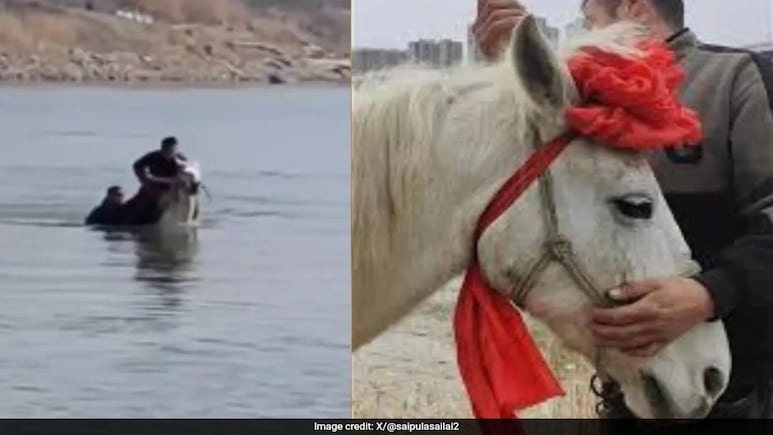
On a quiet February afternoon in central China, a routine training session turned into a moment that would capture hearts across social media. A rider and his white horse moved along the riverbank, unaware that within minutes they would be called into action. A man had fallen into the water, and panic rippled through the crowd. Without hesitation, the rider guided his horse toward the river. What followed felt almost mythical to onlookers, as if a story from ancient legend had stepped into modern life.
The horse was named Bailong, meaning “White Dragon.” In the days after the rescue, images and videos spread widely, and many people described the animal as heroic. Yet just days later, news emerged that the seven year old horse had fallen ill and passed away despite receiving veterinary care. The story, first reported by media outlets including NDTV and the South China Morning Post, resonated far beyond the city of Xiantao in Hubei province.
This article explores the cultural symbolism behind the “White Dragon” name, the details of the rescue in Xiantao, and the scientific realities of equine health. By examining both myth and medicine, we can better understand why Bailong’s story continues to fascinate audiences around the world.

The Rescue in Xiantao: A Modern Day Act of Courage
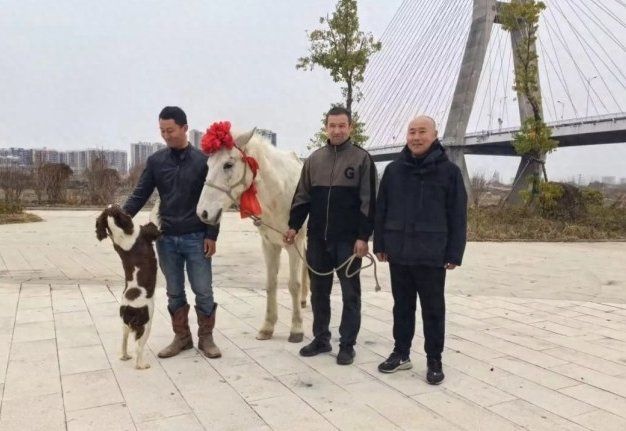
The incident took place in Xiantao, a city in Hubei province, China. According to reports, a man fell into a river from a bridge while his daughter called for help from the bank. Nearby, a rider named Yilibai was training with Bailong.
Witnesses later shared that Yilibai rode the horse into the river to reach the struggling man. Video clips showed the horse swimming forward as the rider held the reins and assisted the individual in the water. It was reported that Bailong swam more than 40 meters during the rescue.
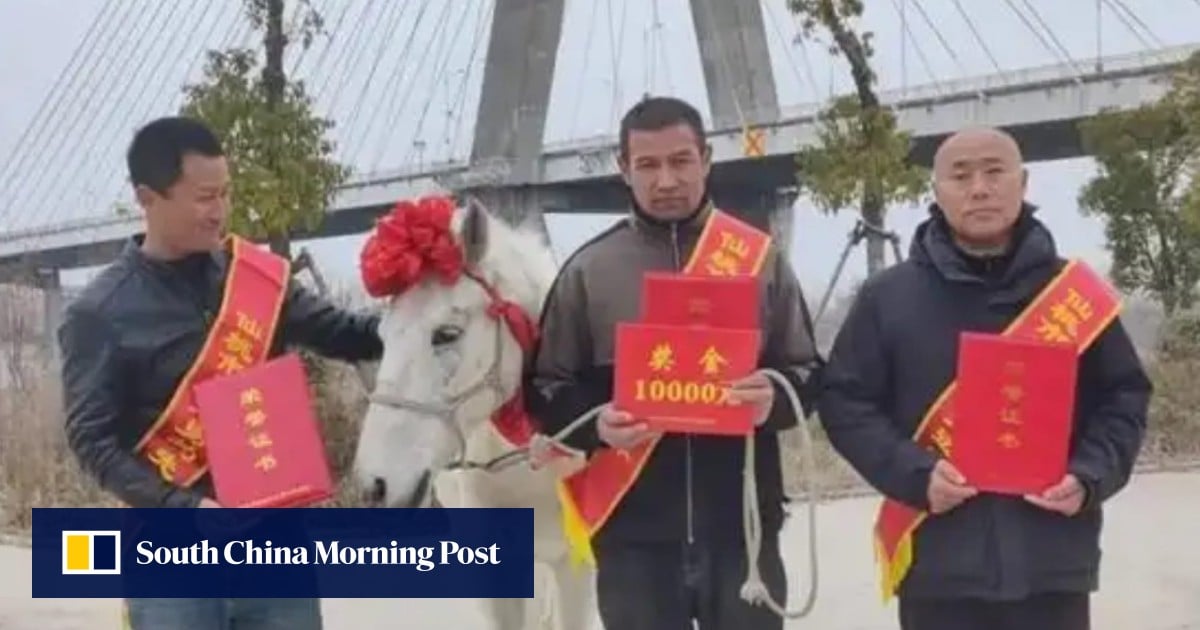
Yilibai later explained that the horse had never previously entered deep water. Despite that, when given a command, Bailong moved forward. Local authorities recognized the bravery of those involved and announced plans to process commendations. There were also plans to erect a statue near the river in honor of the horse.
In the days following the rescue, Bailong reportedly stopped eating and developed a fever. Veterinarians were sent to provide treatment, but the animal did not recover. The news prompted an outpouring of sympathy online, with many describing the horse as a symbol of loyalty and devotion.
The Meaning of “White Dragon” in Chinese Culture
To understand why this story resonated so deeply, it helps to explore the cultural significance of the name Bailong.
In Chinese tradition, dragons are revered creatures associated with strength, wisdom, and protection. Unlike the fire breathing dragons of Western folklore, Chinese dragons are often seen as benevolent beings connected to water and rainfall. They symbolize harmony between heaven and earth.
One of the most famous “White Dragon” figures appears in the classical novel Journey to the West by Wu Cheng’en. In the story, the White Dragon Horse is actually a transformed dragon prince who serves as a loyal companion to the monk Xuanzang. The character embodies devotion and redemption.
When people heard about a white horse named Bailong entering a river to save someone, it naturally evoked echoes of these older legends. The symbolism felt powerful. A white horse linked to the idea of a dragon, associated with water, courage, and protection, seemed almost poetic.
However, while the parallels are striking, it is important to frame them as cultural interpretation rather than evidence of anything supernatural. The power of the name lies in its symbolism, not in literal myth.
Horses in Chinese History and Symbolism
Beyond dragons, horses themselves hold a significant place in Chinese history. For centuries, horses were essential for transportation, communication, and agriculture. They were also crucial in trade and diplomacy, particularly along the Silk Road.
In art and poetry, white horses often symbolize purity, loyalty, and noble spirit. A well known example is the “Flying Horse of Gansu,” a bronze sculpture from the Han dynasty that represents speed and vitality. Though not specifically white, it demonstrates how deeply horses are embedded in cultural imagination.
In traditional Chinese zodiac symbolism, the horse represents energy, independence, and perseverance. Stories of courageous horses appear in folklore across many regions of China.
Given this cultural background, it is understandable why Bailong’s actions were viewed through a symbolic lens. The image of a white horse entering a river to assist a human feels timeless, as if drawn from an epic tale.
The Science of Equine Stress and Illness
While the story invites mythic comparisons, veterinary science offers practical insights into what may have happened after the rescue.
Horses are powerful swimmers, but not all horses are accustomed to entering deep water. A sudden, high stress situation can place significant strain on their bodies. Cold water exposure, intense exertion, and emotional stress may all affect an animal’s immune response.
According to equine health experts from institutions such as the American Association of Equine Practitioners and university veterinary programs, stress can temporarily suppress immunity in horses. This may make them more vulnerable to infections or other health complications.
Reports indicated that Bailong stopped eating and developed a fever several days after the rescue. Loss of appetite and elevated temperature are common signs that veterinarians monitor closely. Despite professional care, not all illnesses can be reversed.
It is important to avoid drawing direct conclusions without a full veterinary report. Illness can arise from multiple factors, and correlation does not always equal causation. However, the timing led many observers to connect the rescue with the horse’s subsequent decline.
A balanced perspective recognizes both the emotional narrative and the biological realities.
Human Animal Bonds and Shared Trust
Perhaps the most compelling aspect of the story is the bond between Yilibai and Bailong. The rider described his horse as intelligent and cooperative. He emphasized mutual trust, saying that they were like family.
Modern research in animal behavior supports the idea that horses are highly attuned to human cues. Studies in equine cognition have shown that horses can respond to voice commands, gestures, and emotional signals. Trust built through consistent training can lead to remarkable coordination between horse and rider.
When Yilibai guided Bailong into the river, it was not an impulsive act by the horse alone. It was a shared decision shaped by training, communication, and experience. The rescue was a partnership.
This dynamic reflects a long tradition of collaboration between humans and horses. From farming fields to competitive sports, the relationship is built on cooperation and understanding.
Viral Media and the Power of Narrative
In today’s digital age, stories spread rapidly. Short video clips can reach millions within hours. Bailong’s rescue gained traction partly because it combined dramatic visuals with emotional depth.
Social media often amplifies narratives that resemble classic archetypes. A courageous animal, a grateful survivor, and a grieving owner form a story structure that resonates universally.
However, viral storytelling can sometimes blur the line between documented fact and emotional interpretation. It is valuable to appreciate the human feelings involved while also acknowledging that media framing influences perception.
The plans to build a statue near the river highlight how communities memorialize events that inspire them. Public monuments transform moments into lasting symbols.

Myth, Memory, and Meaning
Why do certain stories linger in collective memory while others fade?
Part of the answer lies in symbolism. The image of a white horse named “White Dragon” entering water to help a stranger aligns with deep cultural motifs. It echoes classical literature, folklore, and zodiac imagery.
At the same time, the scientific explanation remains grounded in biology. Horses, like all animals, are subject to health challenges. Acts of bravery do not grant immunity from illness.
The intersection of myth and science does not diminish the story. Instead, it enriches it. The legend adds emotional resonance, while veterinary knowledge provides context.
A Reflection on Human Curiosity
Bailong’s story invites us to reflect on why we are drawn to tales that blend heroism with symbolism. Humans have always sought meaning in extraordinary moments. When reality mirrors myth, even briefly, it captures our imagination.
Yet curiosity also drives us to seek understanding beyond the surface. We ask questions about animal health, stress, and the science behind what we witness. This dual impulse, to wonder and to analyze, defines much of human culture.
In remembering Bailong, people honor both a courageous act and the enduring partnership between humans and animals. Whether viewed through the lens of folklore or veterinary science, the story reminds us of compassion, trust, and the powerful narratives we create to make sense of the world.
Curiosity does not require certainty. It thrives in the space between story and evidence, between legend and lived experience. And perhaps that is why the tale of a “White Dragon” horse continues to resonate far beyond the riverbank where it unfolded.
Sources
NDTV
South China Morning Post
American Association of Equine Practitioners
Journal of Equine Veterinary Science
Encyclopaedia Britannica entry on Chinese dragons
Wu Cheng’en, Journey to the West







Leave a Reply